

Field Study: Singapore, SG
TX_004 The visual language of speed.
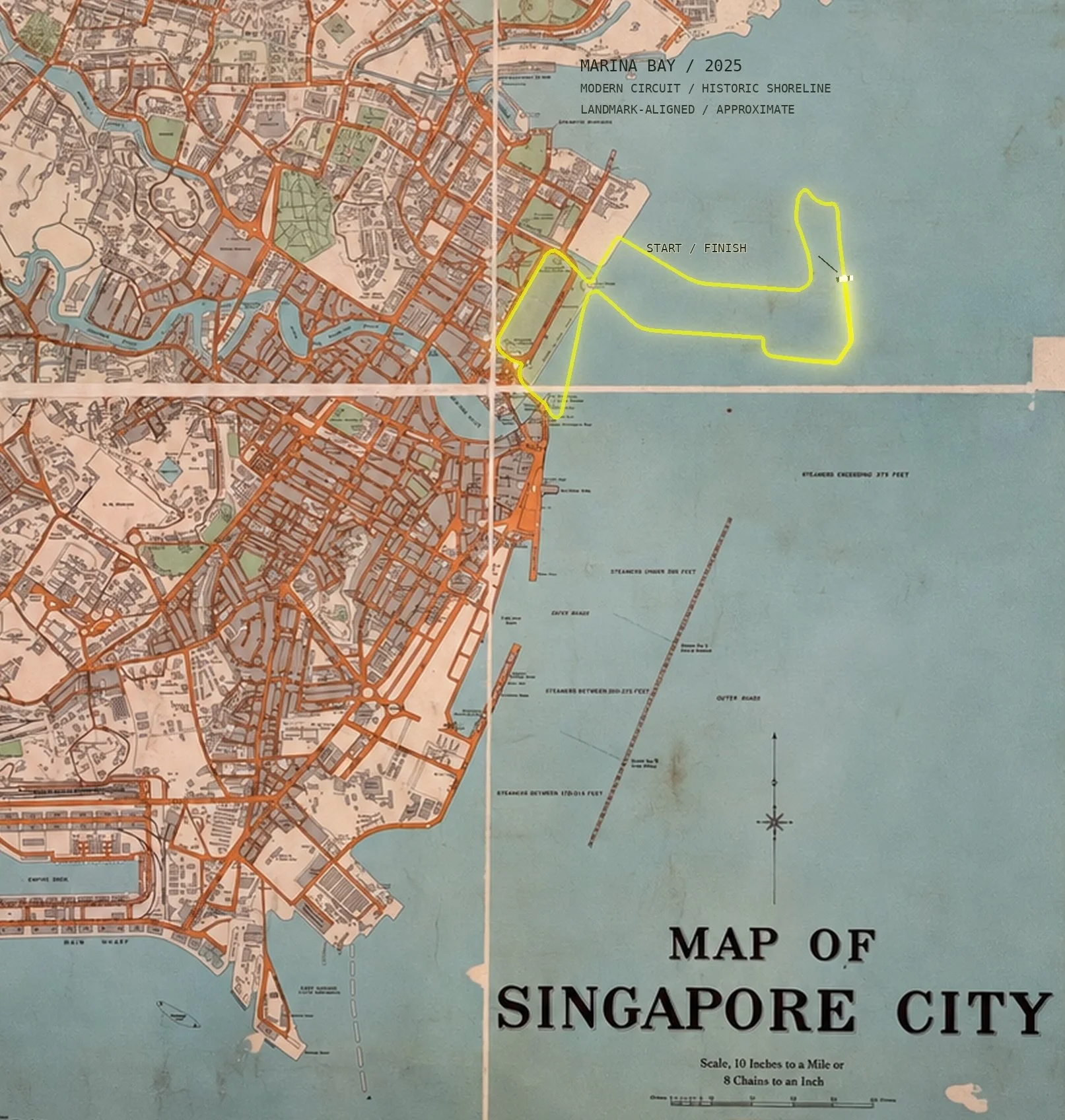
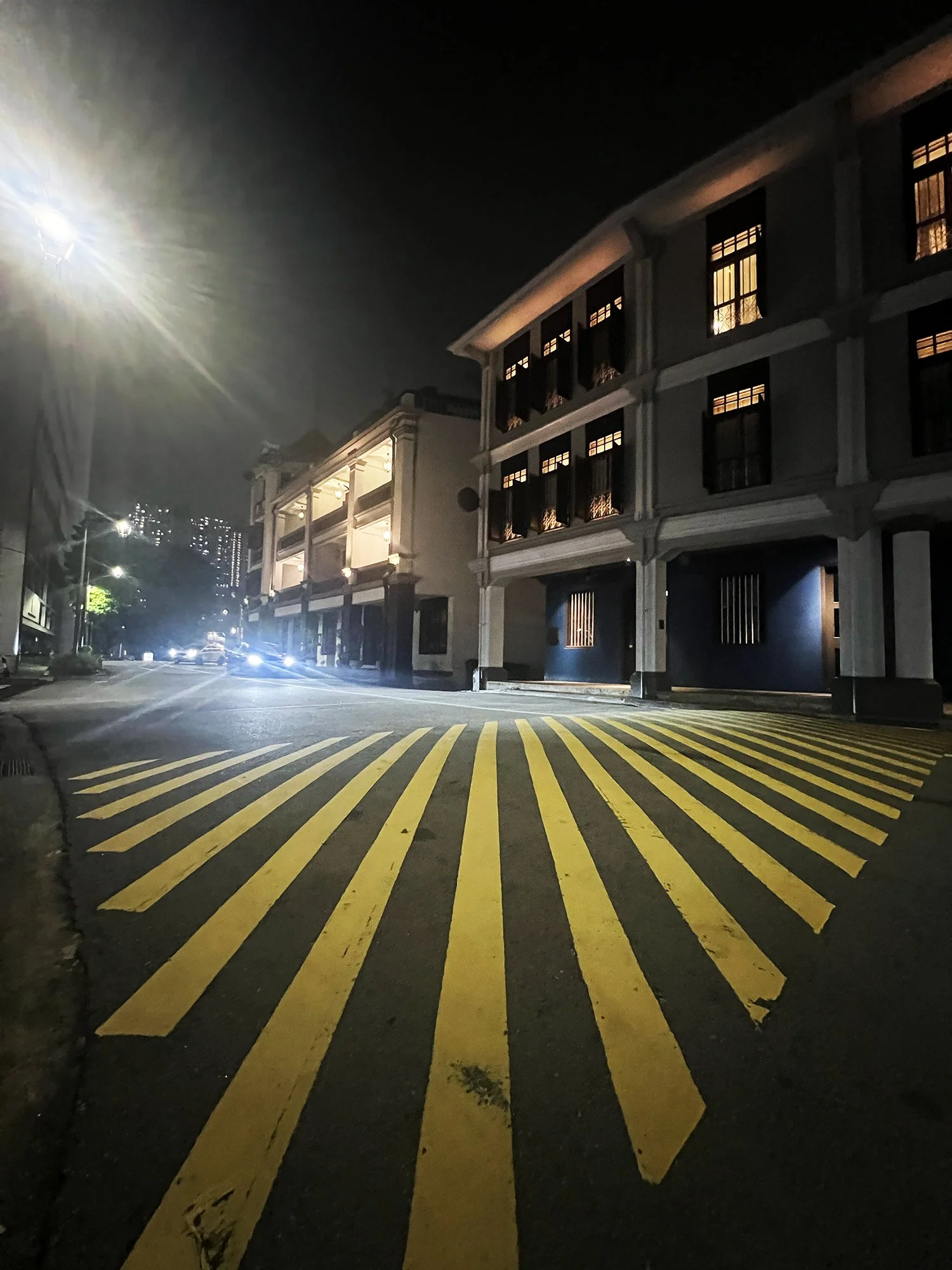
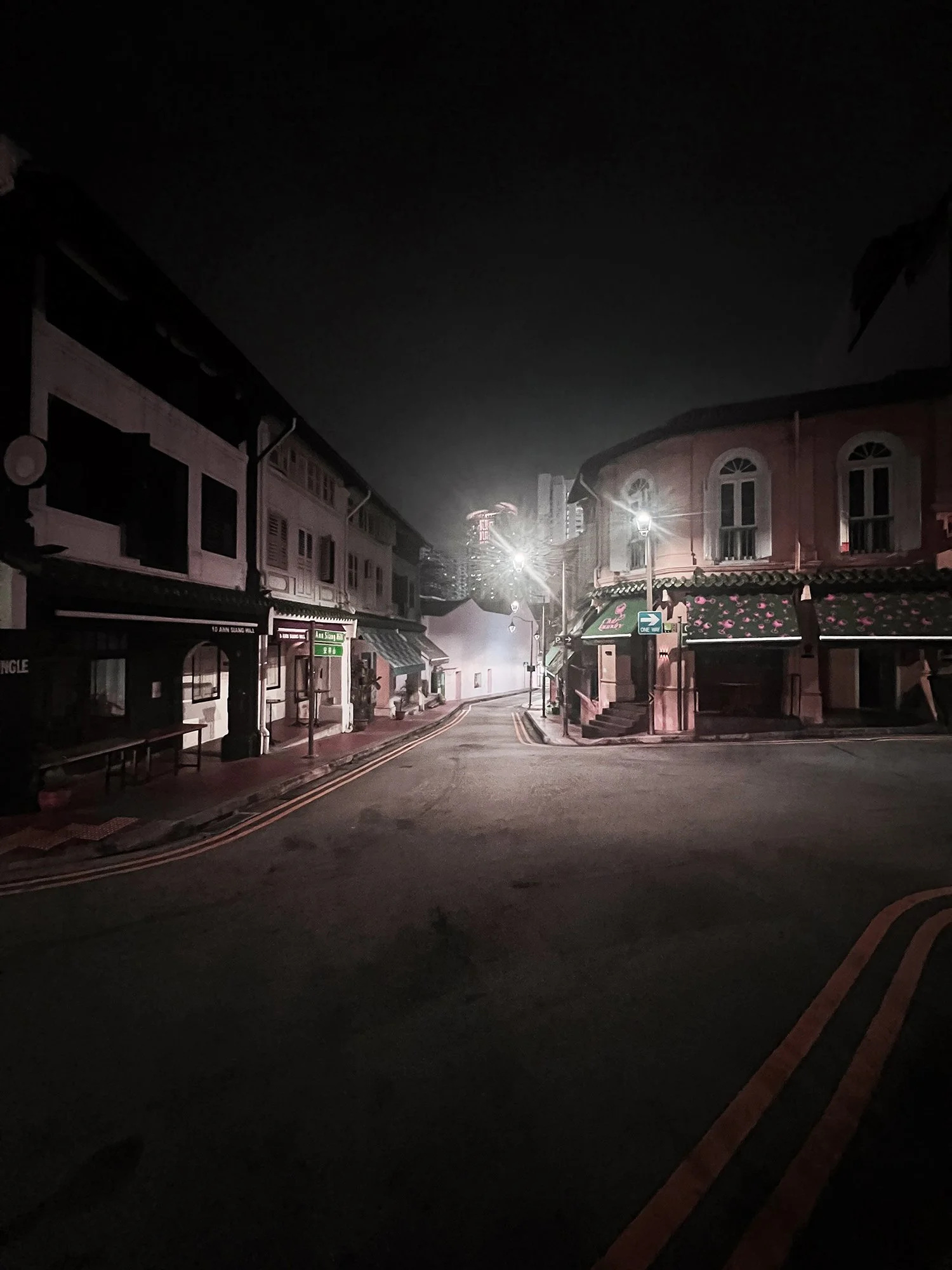
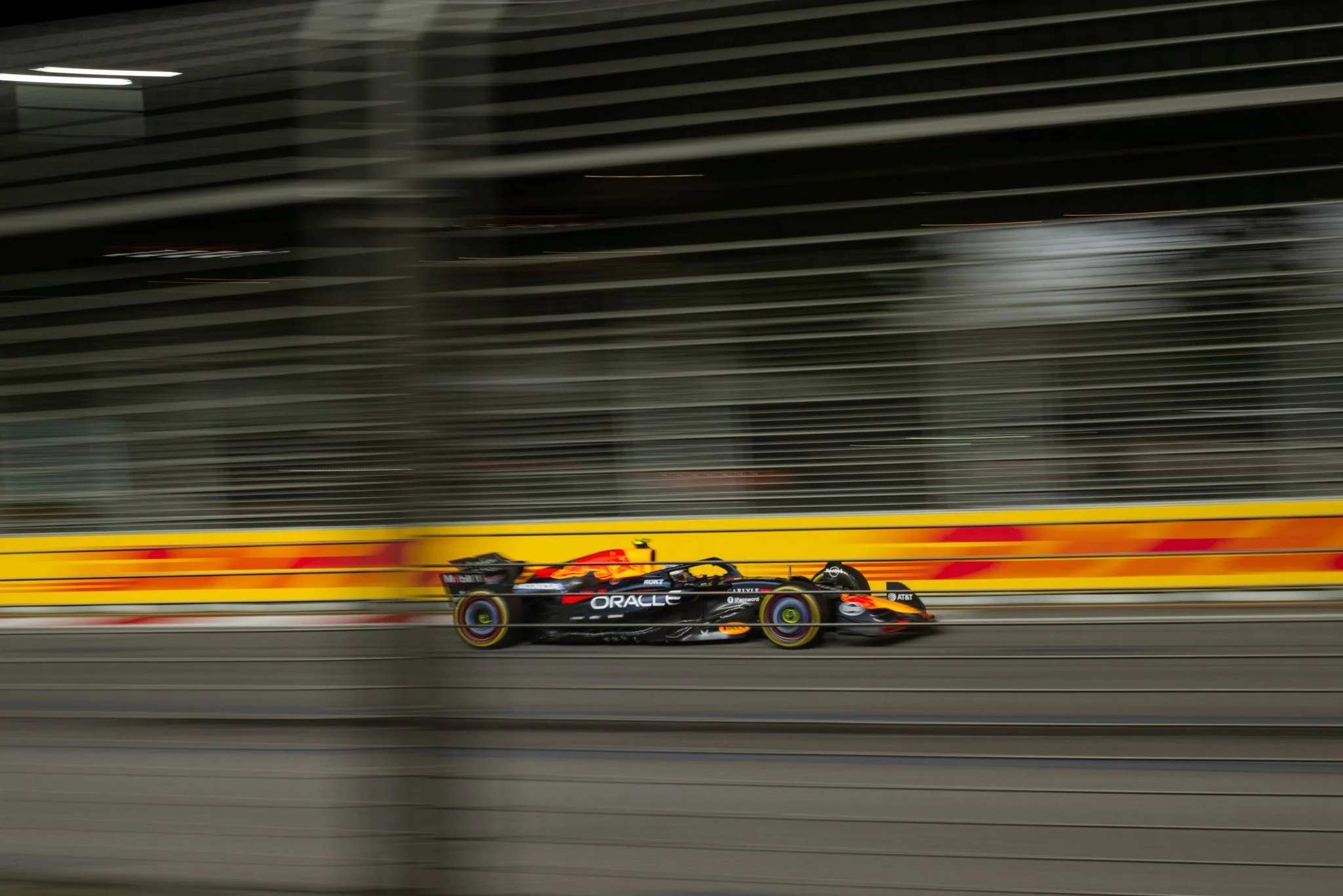
For a few nights, the streets around Marina Bay take on another purpose. Barriers redraw familiar routes, floodlights trace the circuit, and the city becomes part of a moving composition. Architecture holds its position while color, sound, and machinery pass through it.
A visit to the Singapore Grand Prix in October 2025 provides the starting point for this Field Study. The attention moves between the scale of the city and the details carried through it: the curve of a wing, the placement of a number, the flash of a recognizable color. Together, these elements reveal a sport in which engineering and visual identity are closely intertwined.
Before the floodlights.
Singapore’s Grand Prix history began in 1961 with the Orient Year Grand Prix on the Upper Thomson road circuit. Cars and motorcycles competed in separate events along roads normally used by everyday traffic. Following earlier changes of name, the event became the Singapore Grand Prix in 1966 and continued through 1973. This was an earlier chapter of local motor racing, separate from the Formula 1 World Championship. Singapore’s National Library history
In 2008, Singapore joined the Formula 1 calendar with the sport’s first night race at Marina Bay. The setting had changed, but the relationship between racing and the city remained: ordinary streets temporarily reorganized around extraordinary movement. Formula 1’s Singapore circuit history
Form shaped by the invisible.
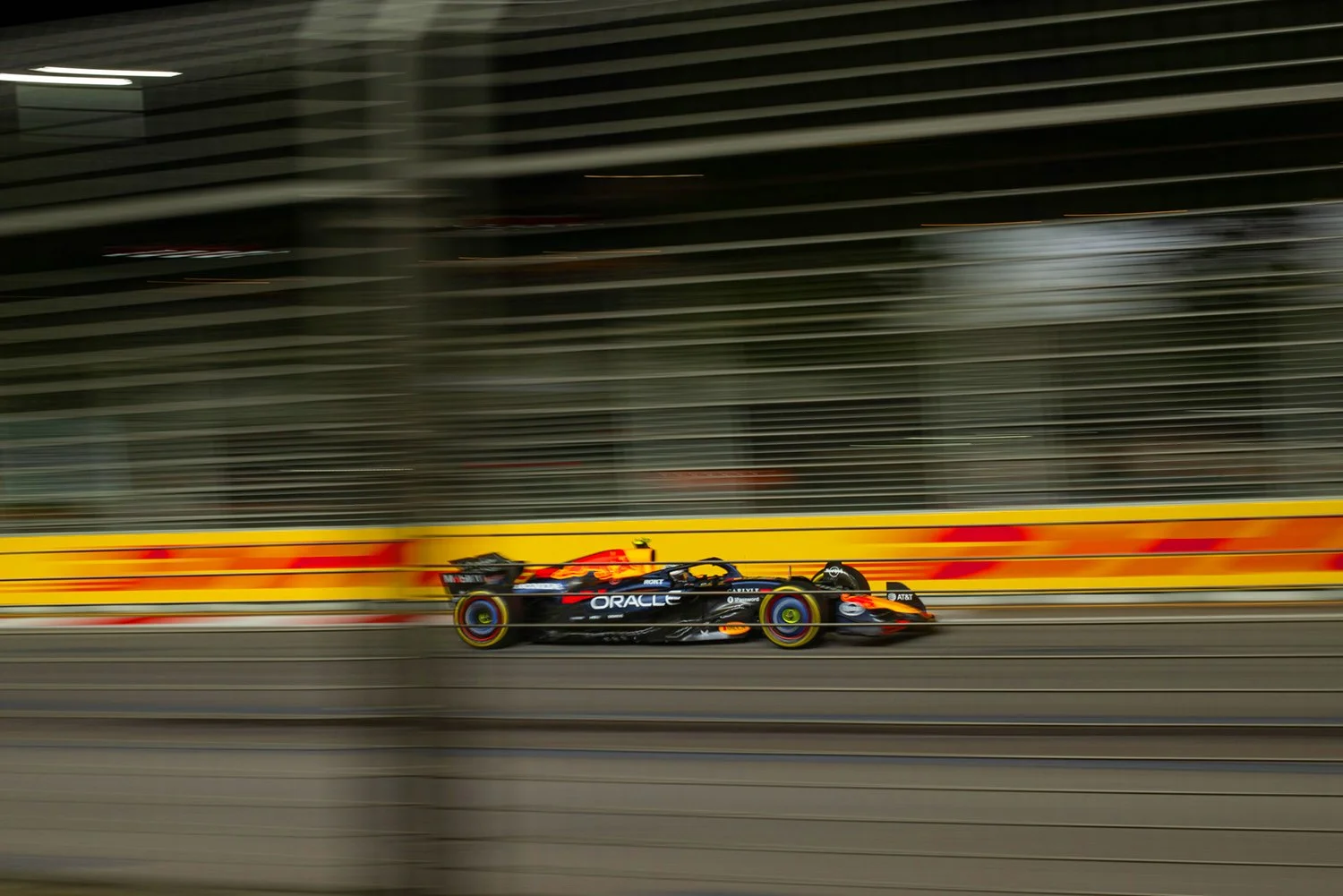
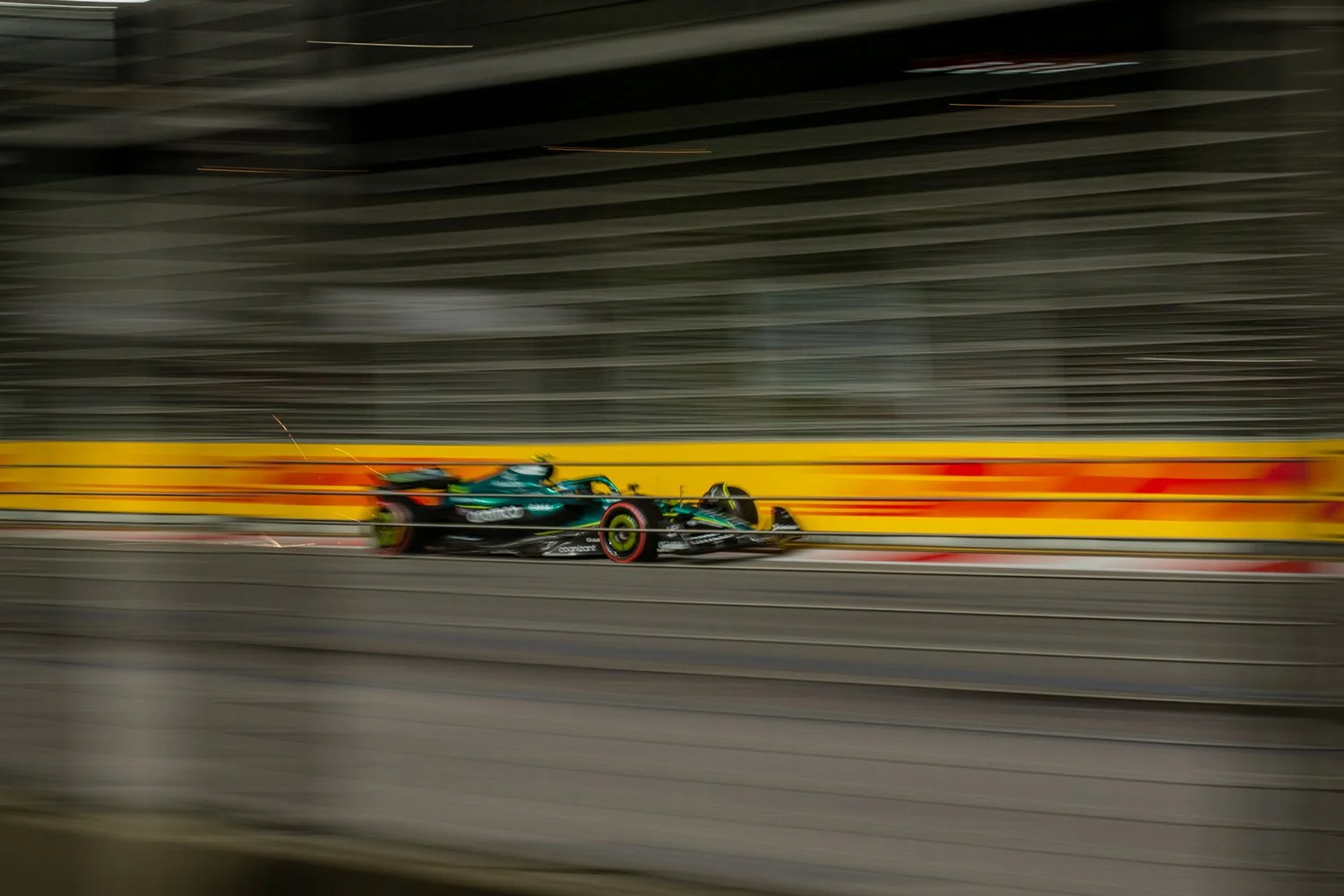
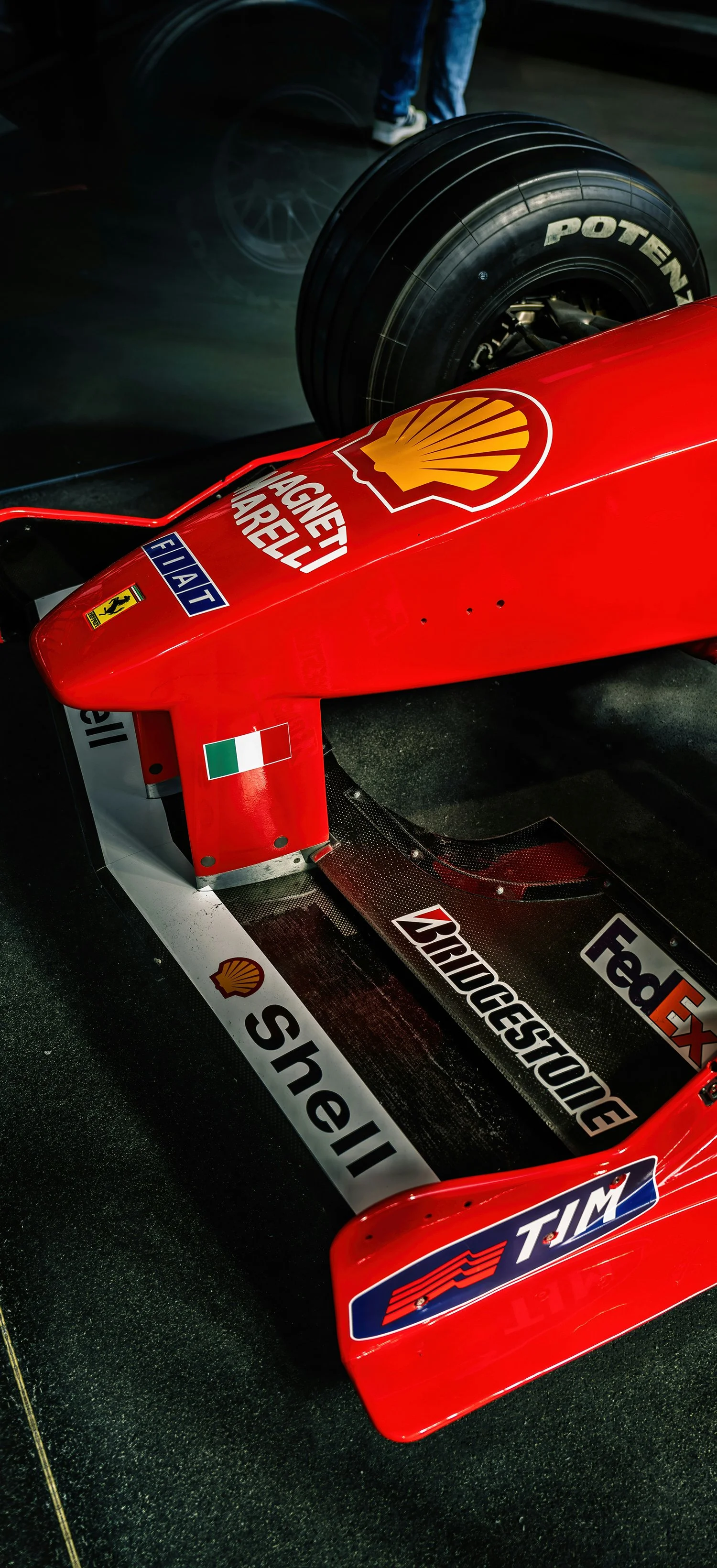
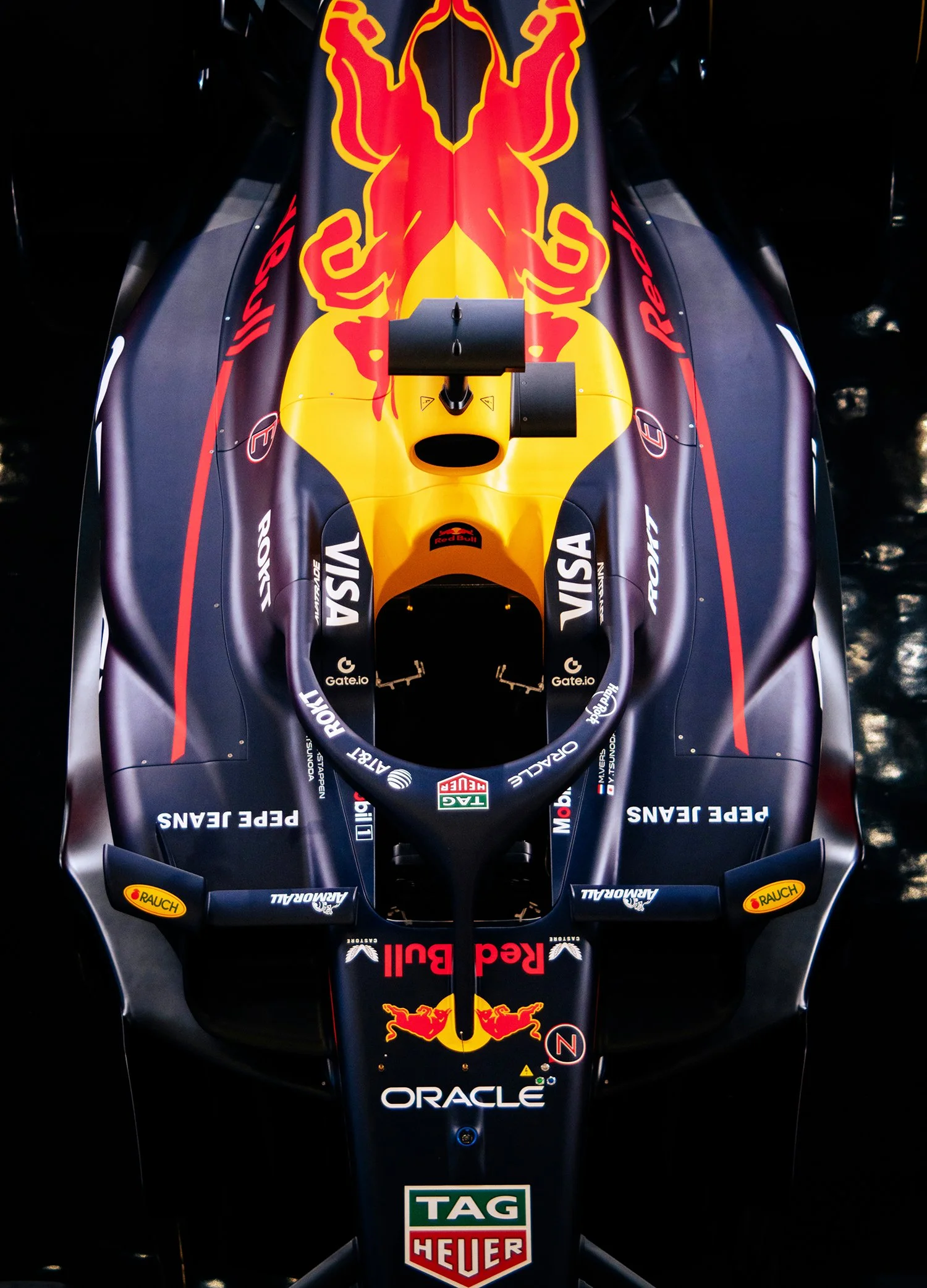
An F1 car invites the eye to follow its surfaces. A low nose extends toward the front wing. Bodywork gathers around the driver, then narrows toward the rear. Openings, edges, and layered planes give the machine an almost anatomical character.
Much of this form is shaped by something we cannot see. Air moves over, around, and beneath the car, with the floor and wings helping generate the downforce that increases grip through corners. The visible object records an ongoing negotiation with invisible forces. Mercedes’ guide to downforce
Seen through an artist’s eye, that relationship gives the car a sculptural quality. Its beauty emerges through proportion, tension, and the close relationship between a surface and its purpose.

Color as recognition.
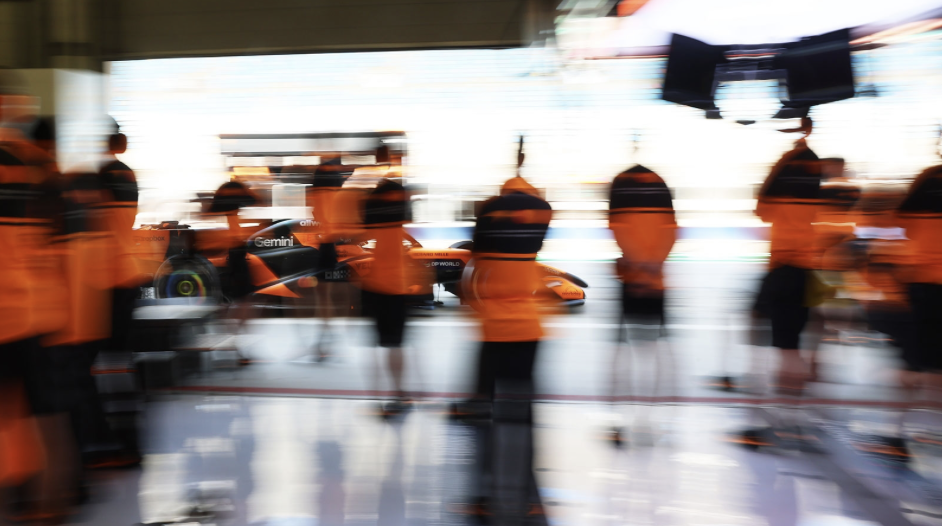
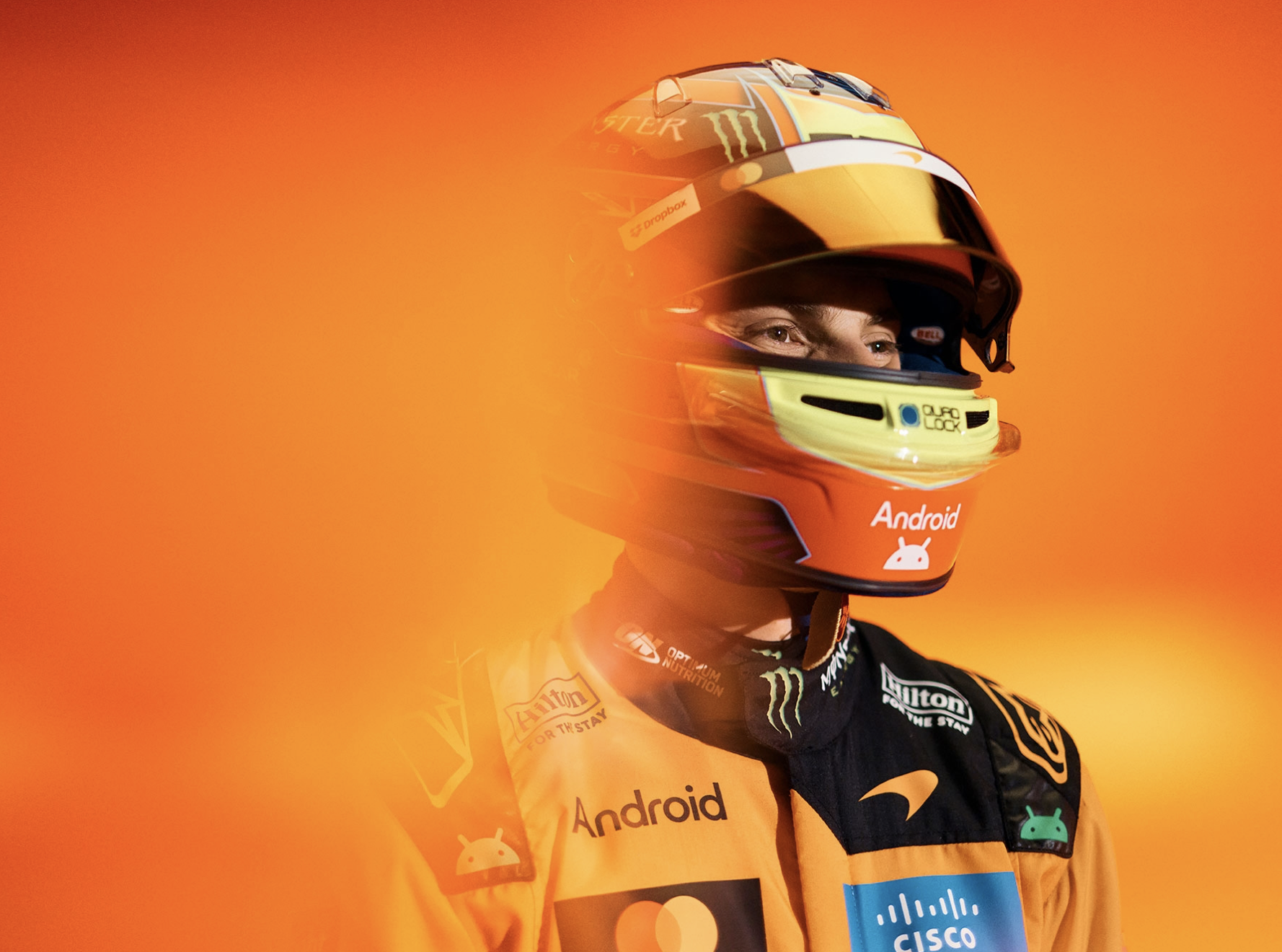
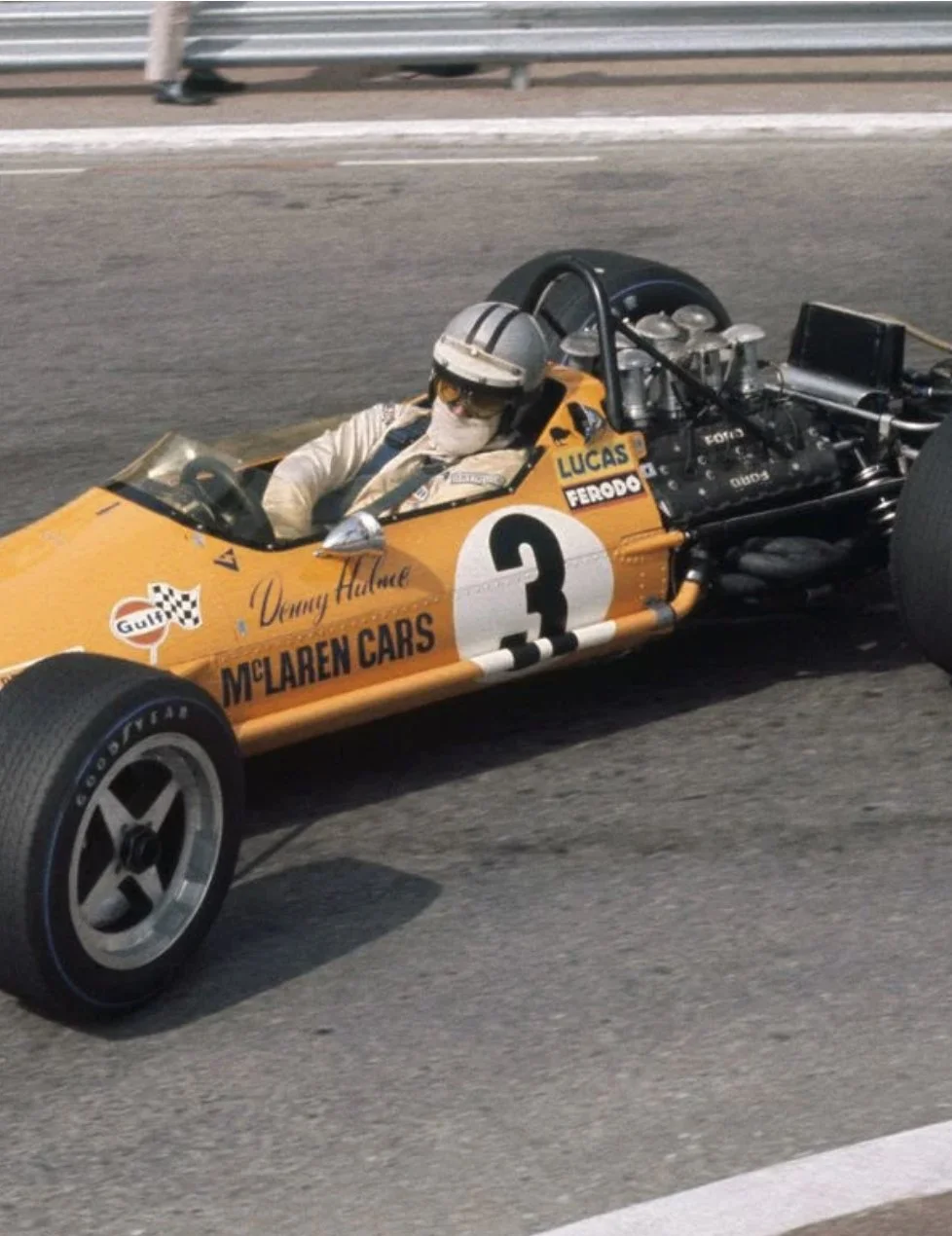
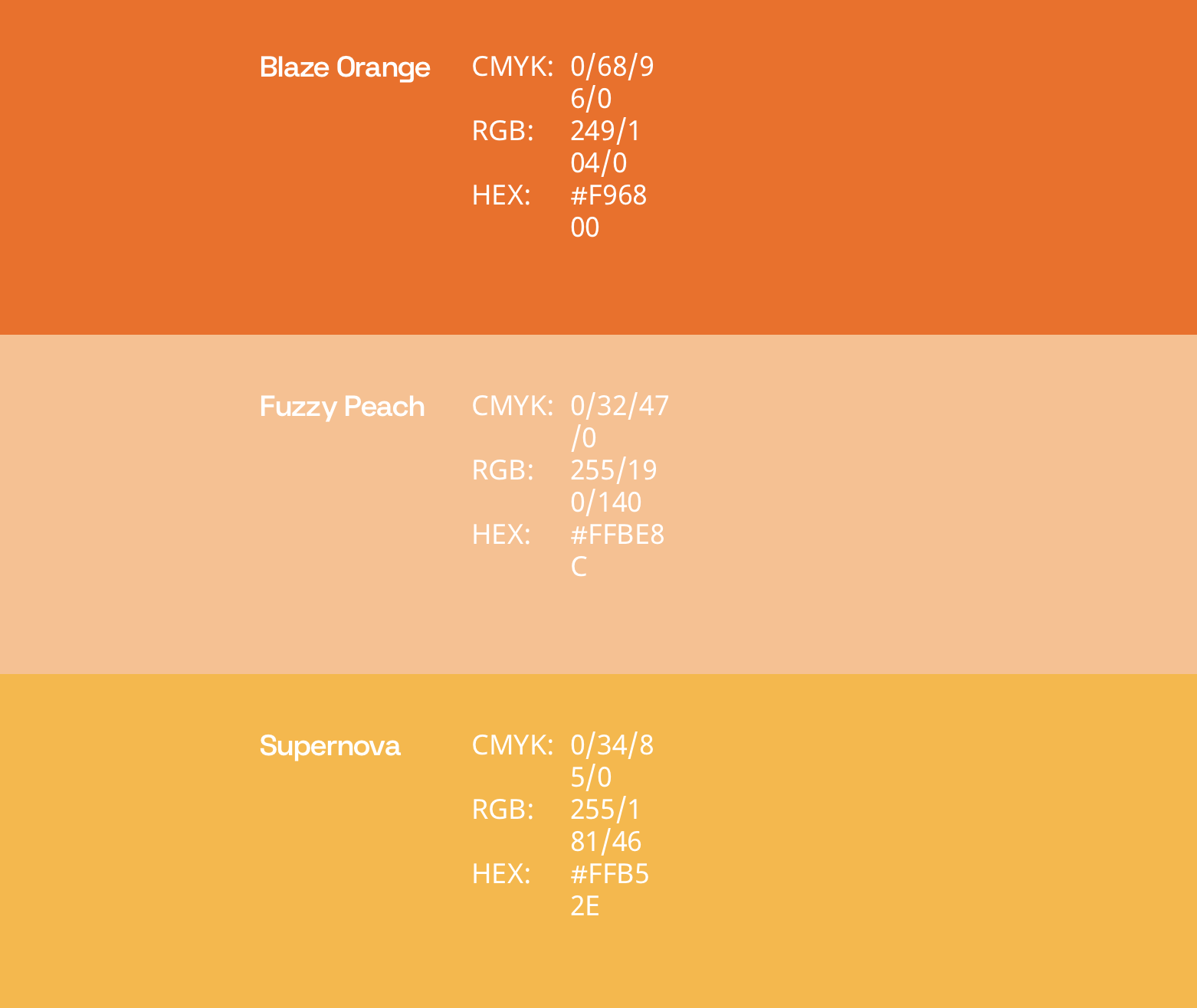
The livery, the arrangement of color and graphics across the car, gives the engineering a recognizable identity. McLaren’s papaya is one enduring example. Introduced to its Formula 1 cars in 1968, the color connects contemporary machinery to an earlier chapter of the team’s history. McLaren’s history of papaya
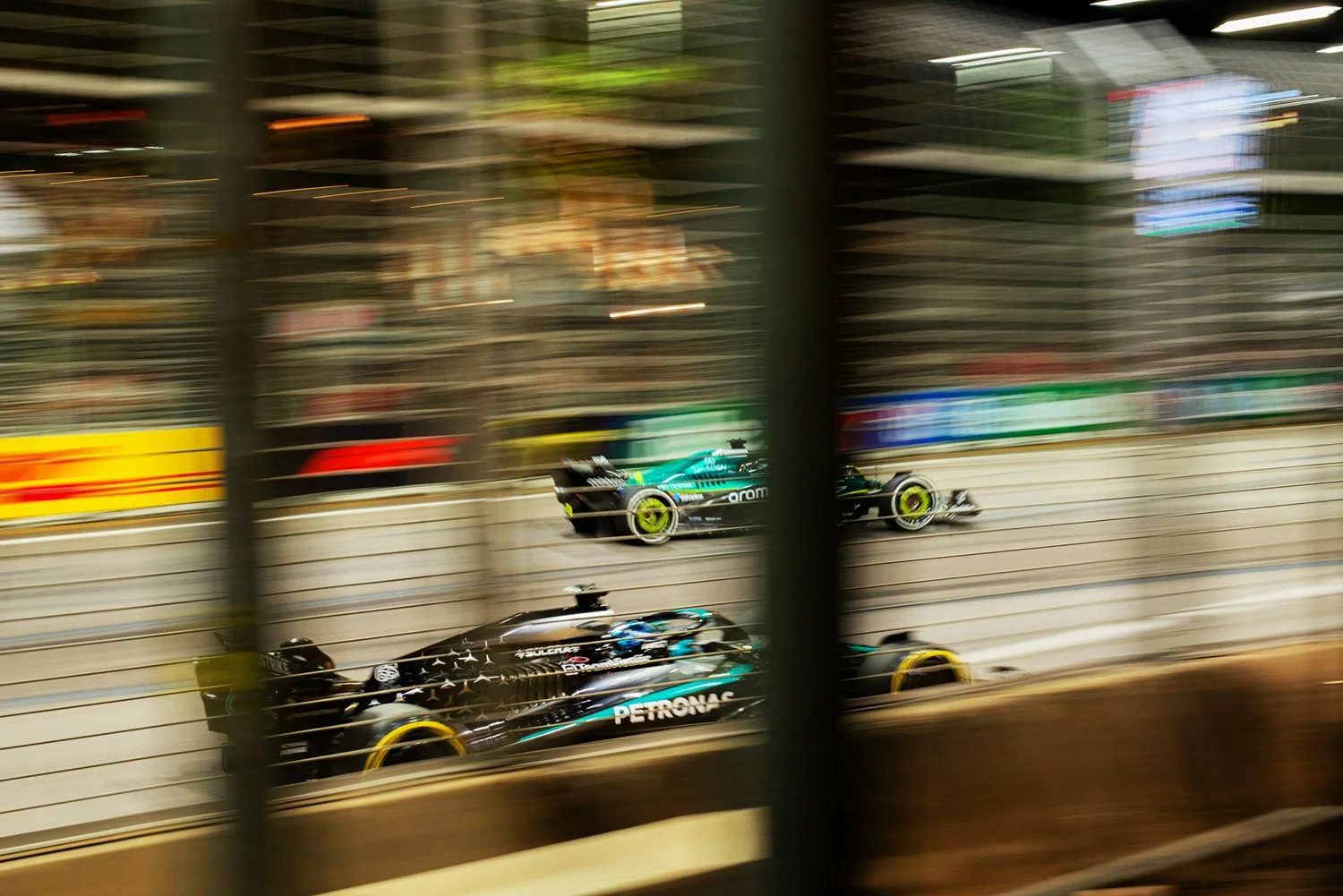
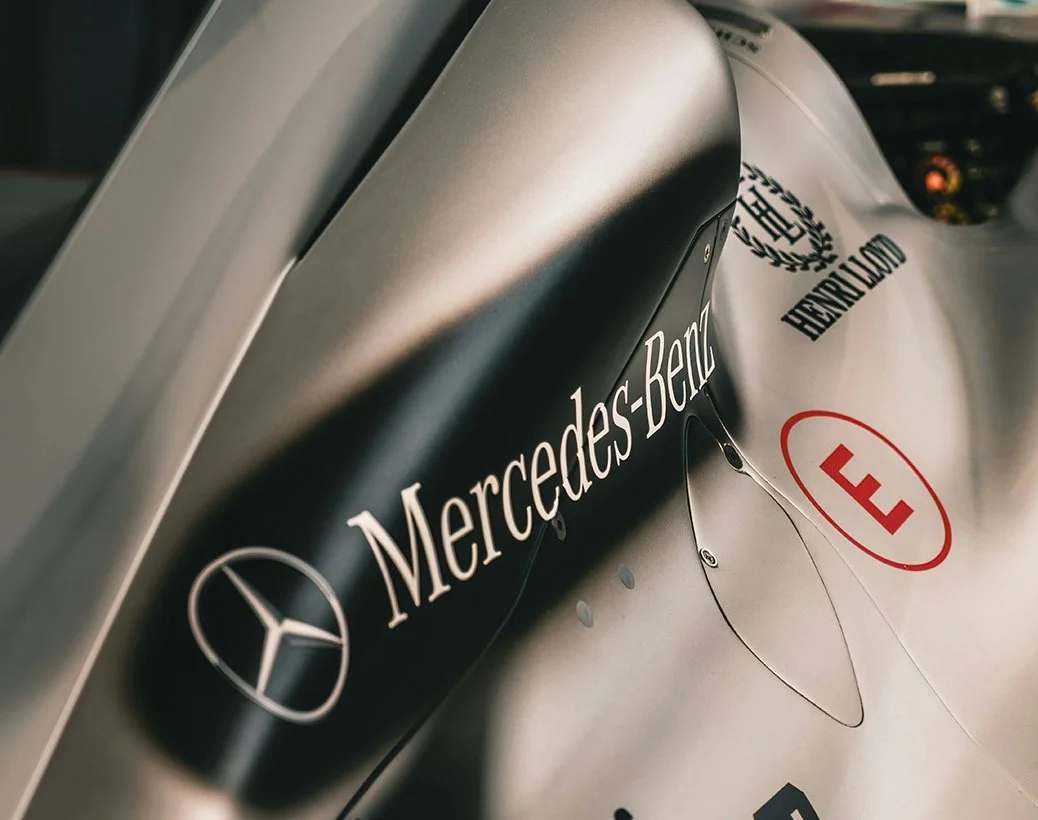
From a design perspective, these surfaces operate at several distances. A broad field of color establishes recognition. Closer in, sponsor marks, emblems, and typography introduce another layer of information. Ferrari’s prancing horse and Mercedes’ three-pointed star carry familiar identities onto bodies that continue to change.
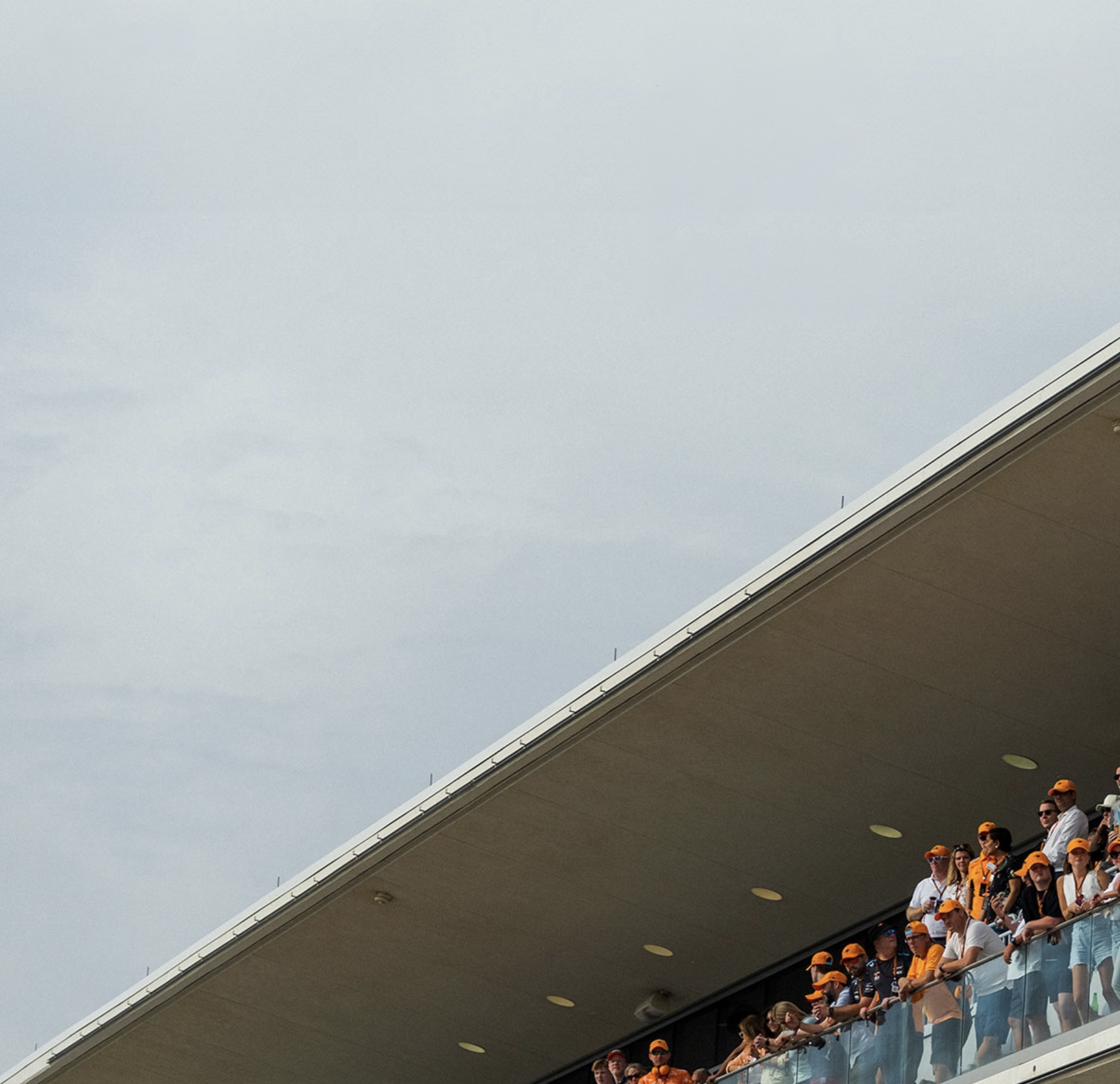
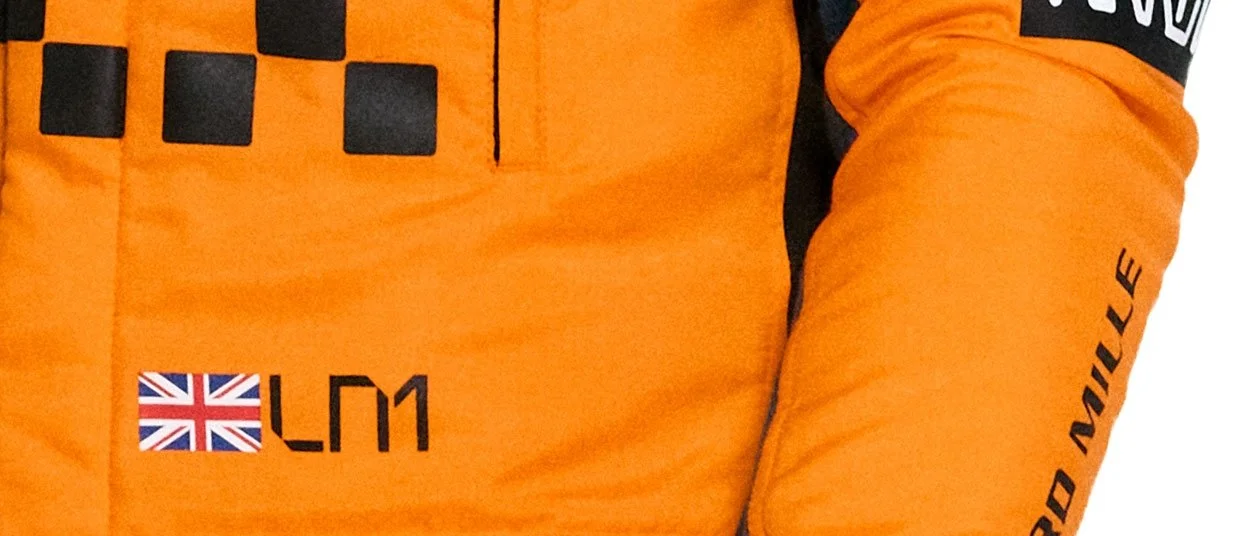
The same visual language extends into garages, uniforms, signage, and the clothing worn by spectators. Repeated across these different surfaces, a team identity becomes part of the environment. A color seen briefly on the circuit can remain visible throughout the crowd.
Numbers with a memory.
A race number identifies a driver, but repetition gives it a life beyond that practical role. The driver-chosen numbering system introduced in 2014 strengthened this connection. Lewis Hamilton’s 44, which he carried into Ferrari in 2025, shows how a small graphic identifier can retain its meaning even as the surrounding colors change. Formula 1’s guide to the 2025 driver numbers
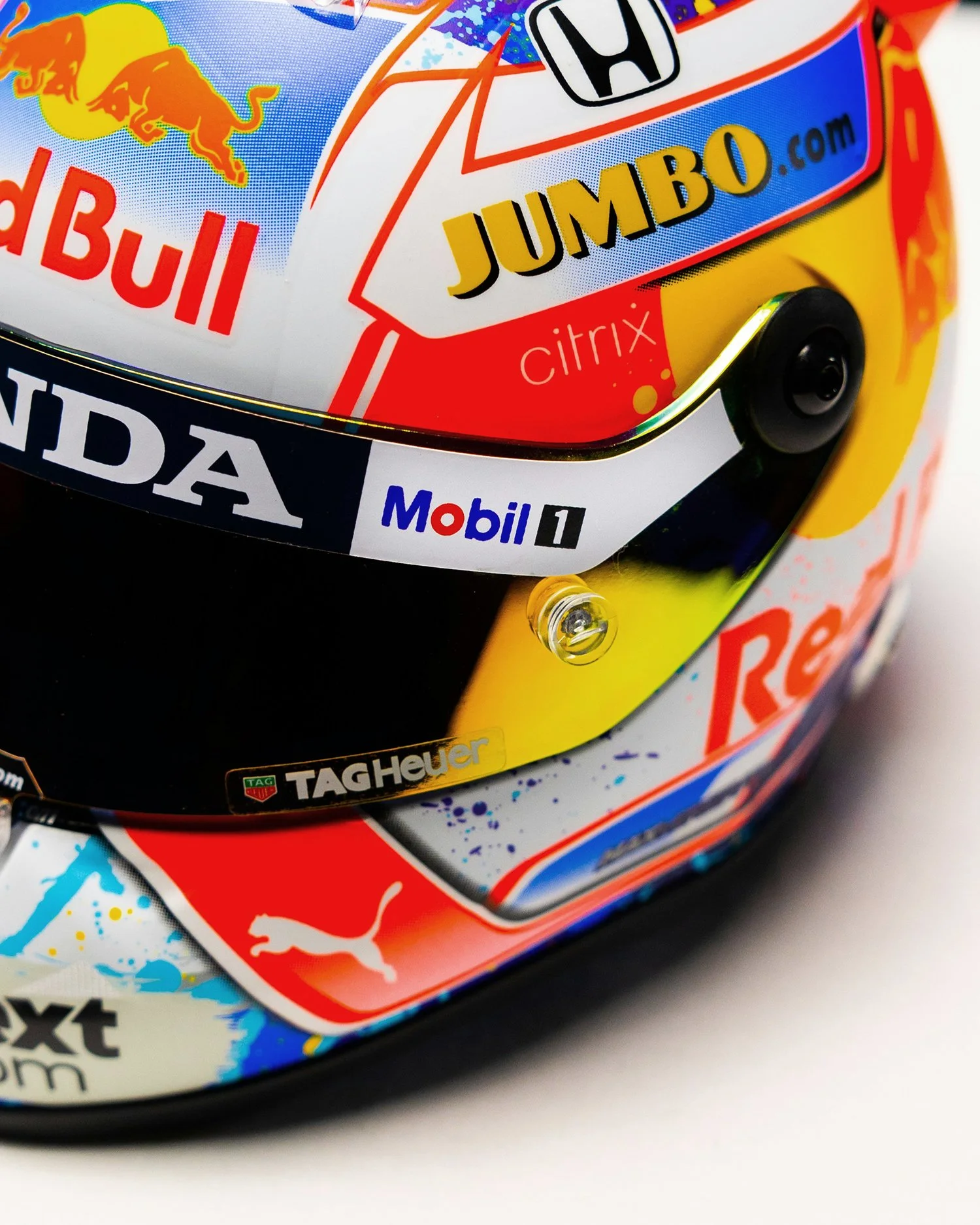
Helmets offer another space for personal expression. At the 2025 Singapore race, Yuki Tsunoda wore a design created with artist Verdy, while George Russell used a blue chrome helmet developed in partnership with the Blue Marine Foundation. These details bring illustration, material effects, and personal associations into the sport’s visual language. Formula 1’s record of the Singapore helmet designs
Within a tightly coordinated team identity, there is still room for an individual mark.
An opportunity to look closer.
Beyond the race weekend, The Formula 1 Exhibition at Gardens by the Bay offers another way to encounter the sport. Historic and contemporary cars, artifacts, film, interviews, and interactive experiences bring its development into view.
The change of pace creates room for a different kind of observation.
A car can be considered as an object, its surfaces and proportions
held still long enough to study. Details that disappear on the
circuit become available again: a construction method, a painted
edge, a symbol carried forward from another era.
Explore The Formula 1 Exhibition ↗

Closing reflection.
Singapore brings several forms of design into the same field of view. The city organizes movement. The car negotiates air. Color, symbols, and numbers make people and machines recognizable within a rapidly changing scene.
What remains after the race can be surprisingly small: a curve, a color, a mark glimpsed for a moment. These fragments hold something of the larger experience. They reveal how precision can produce beauty, and how an object built to move can leave a lasting image.
Cultural Resources
National Library Singapore / BiblioAsia
An illustrated history of Singapore’s Grand Prix from 1961 to 1973, with archival photographs, race programs, and accounts of the Upper Thomson circuit. The material offers a view of both the early racing culture and its graphic record.
Explore Singapore’s early Grand Prix history →
McLaren / Color and Heritage
McLaren’s account of its relationship with papaya follows the color through changing cars, sponsorships, and eras. It provides a focused example of how a visual identity can carry history while continuing to evolve.
Explore McLaren’s papaya history →
The Formula 1 Exhibition / Singapore
The official exhibition website provides an overview of the displays and interactive experiences at Gardens by the Bay, along with current dates and visitor information.