

Field Study: Akumal, MX
TX_001 Where preservation and expression share the same landscape.
Akumal takes its name from the Yucatec Maya language: place of the turtles. Along this stretch of the Caribbean coast, the name feels less like a label and more like a living description. Often shaped by sheltered water, seagrass beds, coral communities, and the sea turtles that return to feed and nest.
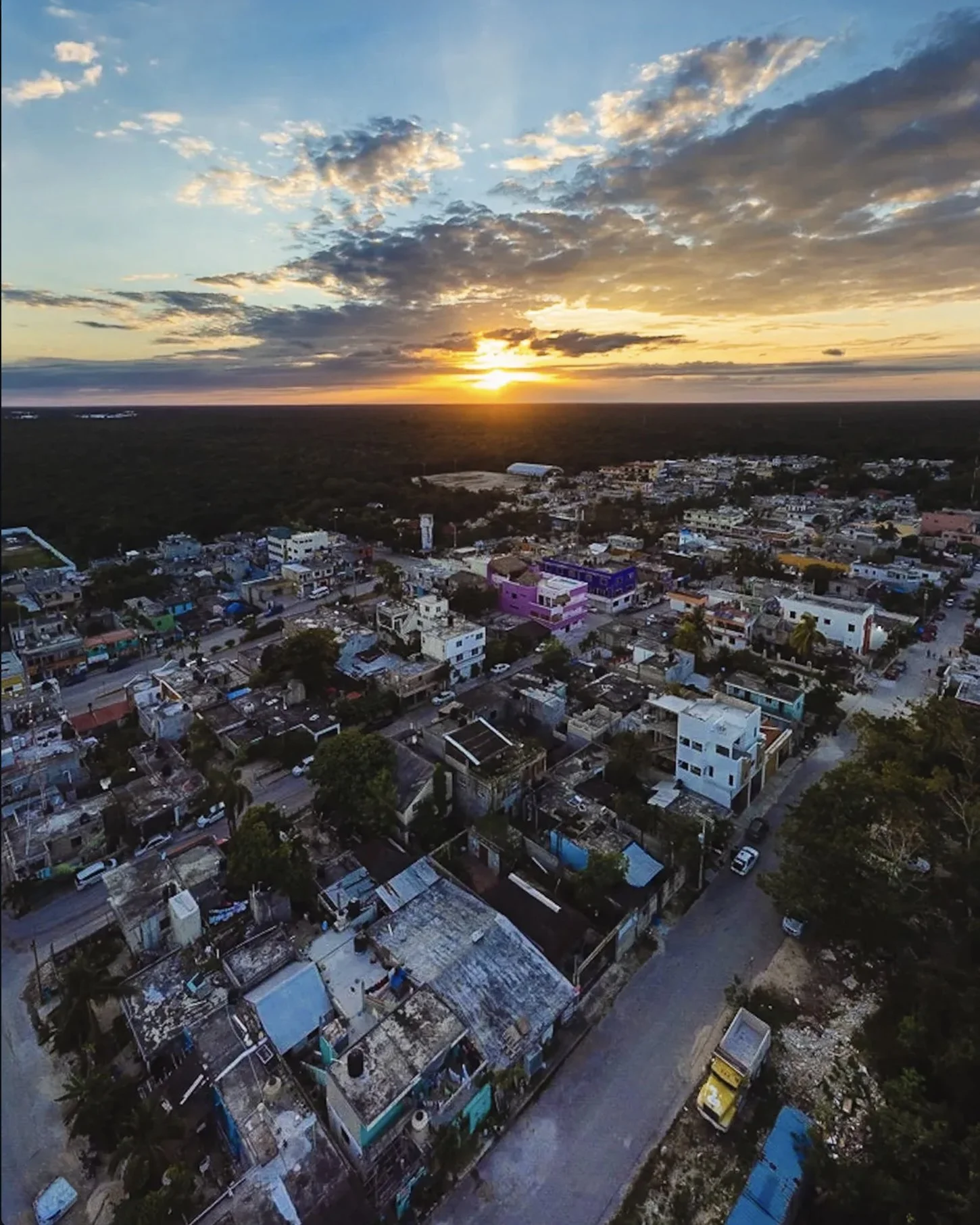
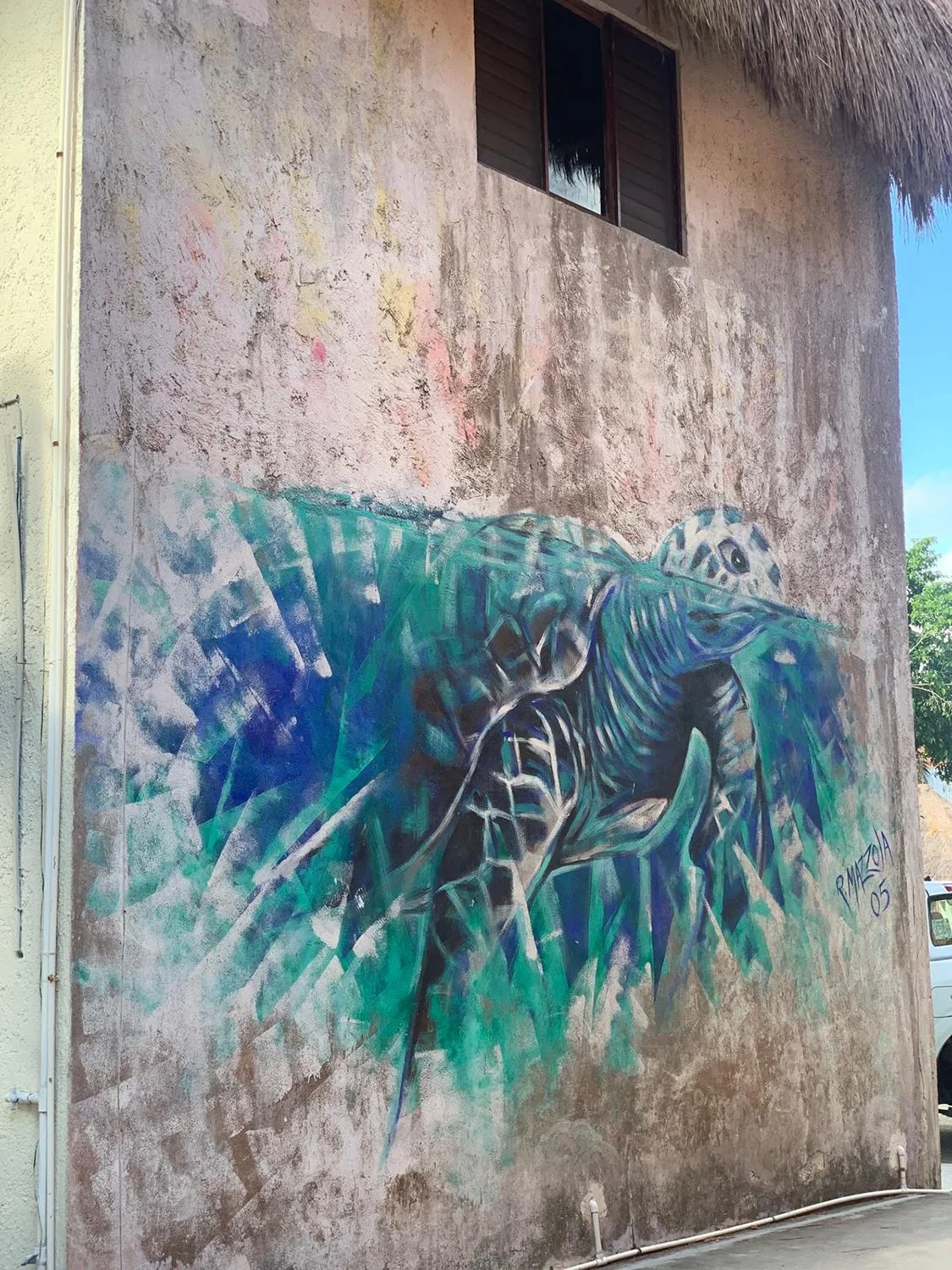
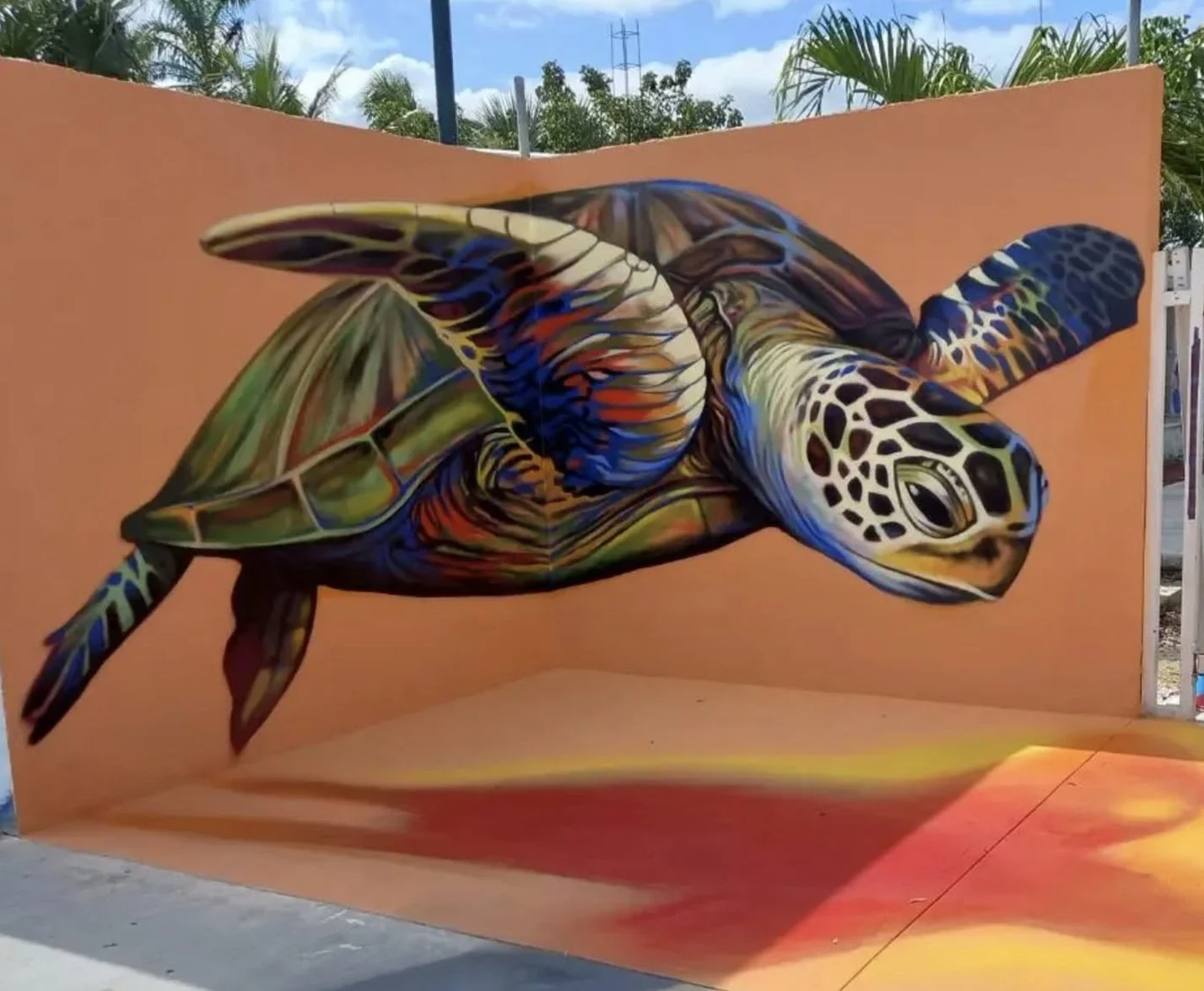
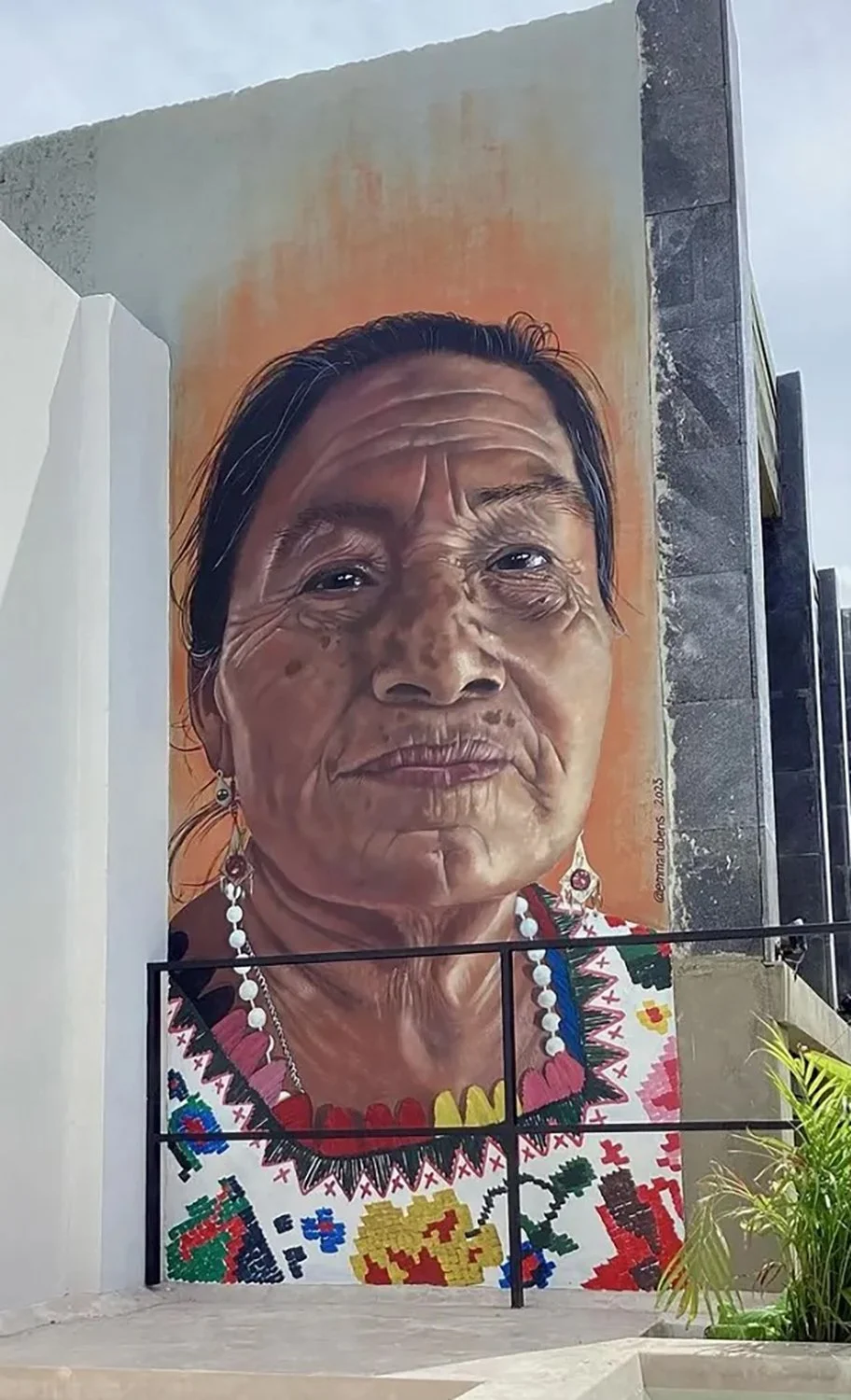
Positioned between the larger destinations of Playa del Carmen and Tulum, Akumal moves at a different rhythm. The scale feels smaller and more communal, but its identity extends well beyond the bay. Diving and snorkeling offer a view beneath the surface, while the walls of the pueblo reveal another kind of ecosystem — an evolving collection of murals created through local participation and international exchange.
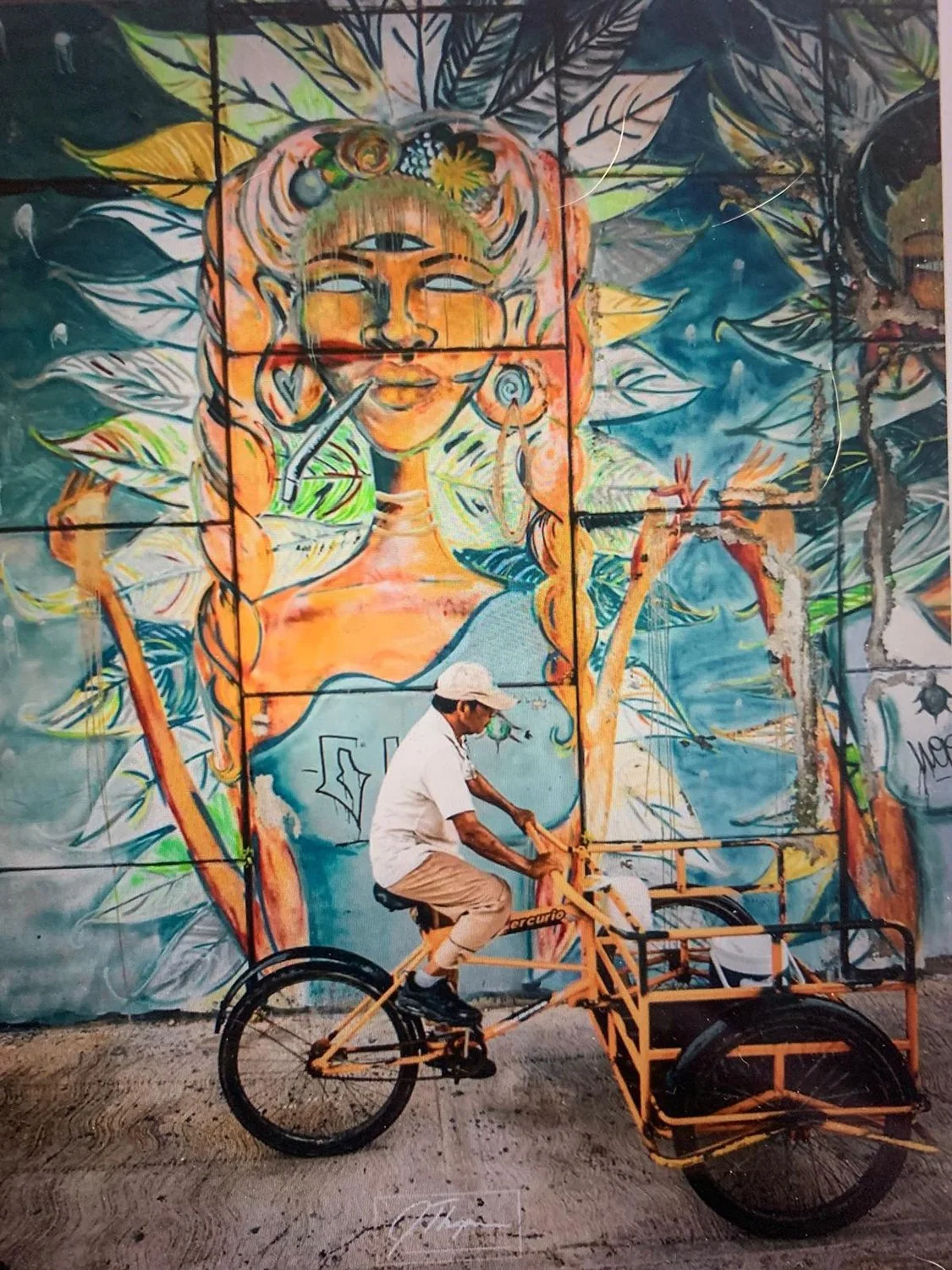
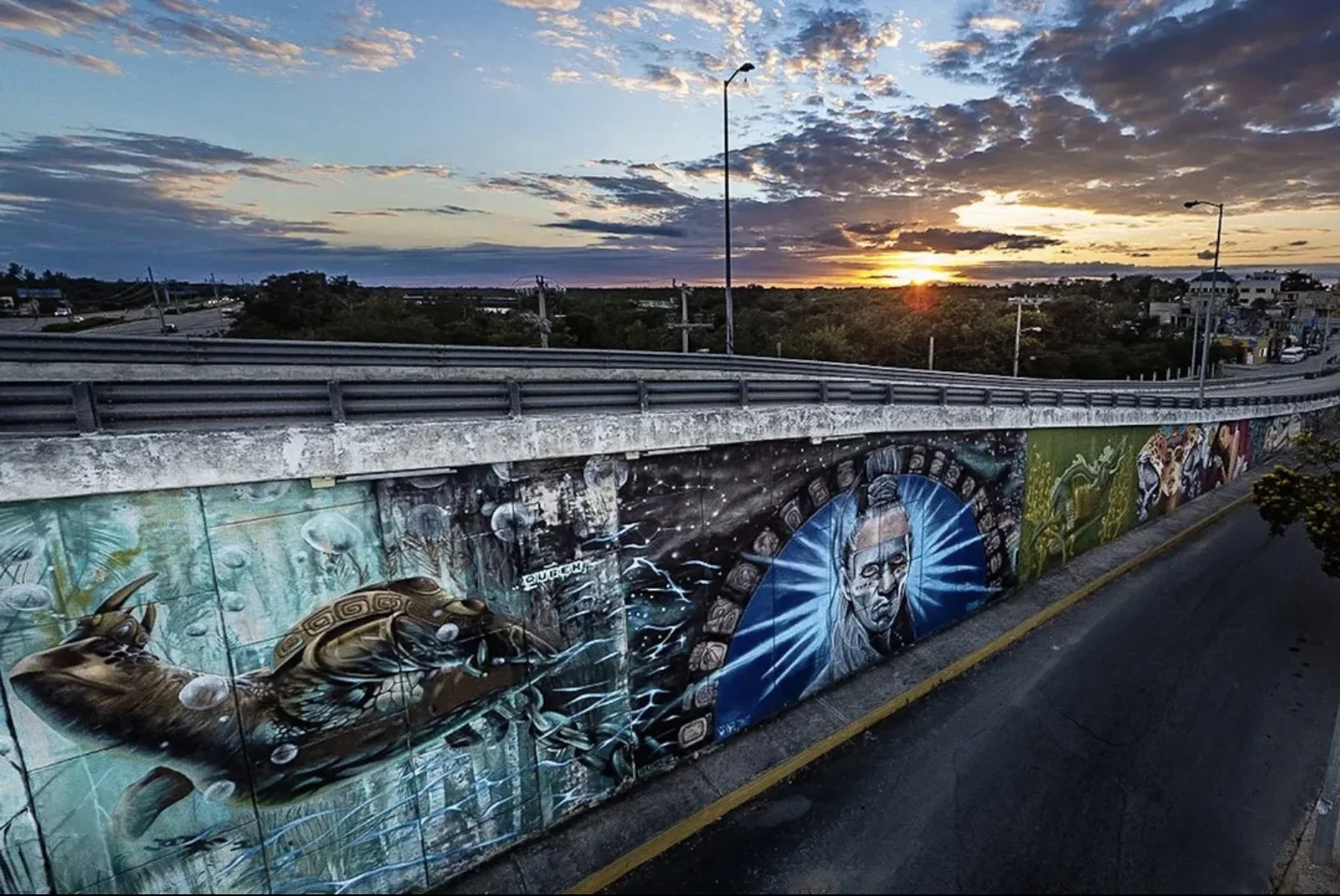
Since 2018, the Akumal Arts Festival has brought artists together to paint, teach, perform, and engage with the community. More than decoration, the murals operate as public signals: expressions of identity, environmental awareness, cultural memory, humor, and imagination. Together, they transform everyday architecture into an open-air archive that continues to change with the town.
This Field Study looks at Akumal through these connected forms of movement and communication. From turtles passing quietly through the bay to images traveling across walls. Both tell the story of a community shaped by its natural environment and by the people working to observe, protect, and reimagine it.
The place of the turtles.
Akumal Bay provides important feeding and nesting habitat for sea turtles. The Centro Ecológico Akumal has worked in the area since 1993, supporting turtle conservation, reef monitoring, environmental education, and more sustainable management of the ecosystems surrounding the community. Centro Ecológico Akumal
The experience of encountering a turtle in its natural habitat can feel intoxicating — just a figure moving slowly through clear water. Preserving that encounter is not effortless. It depends on research, regulation, education, and a shared understanding that observation must come with restraint.
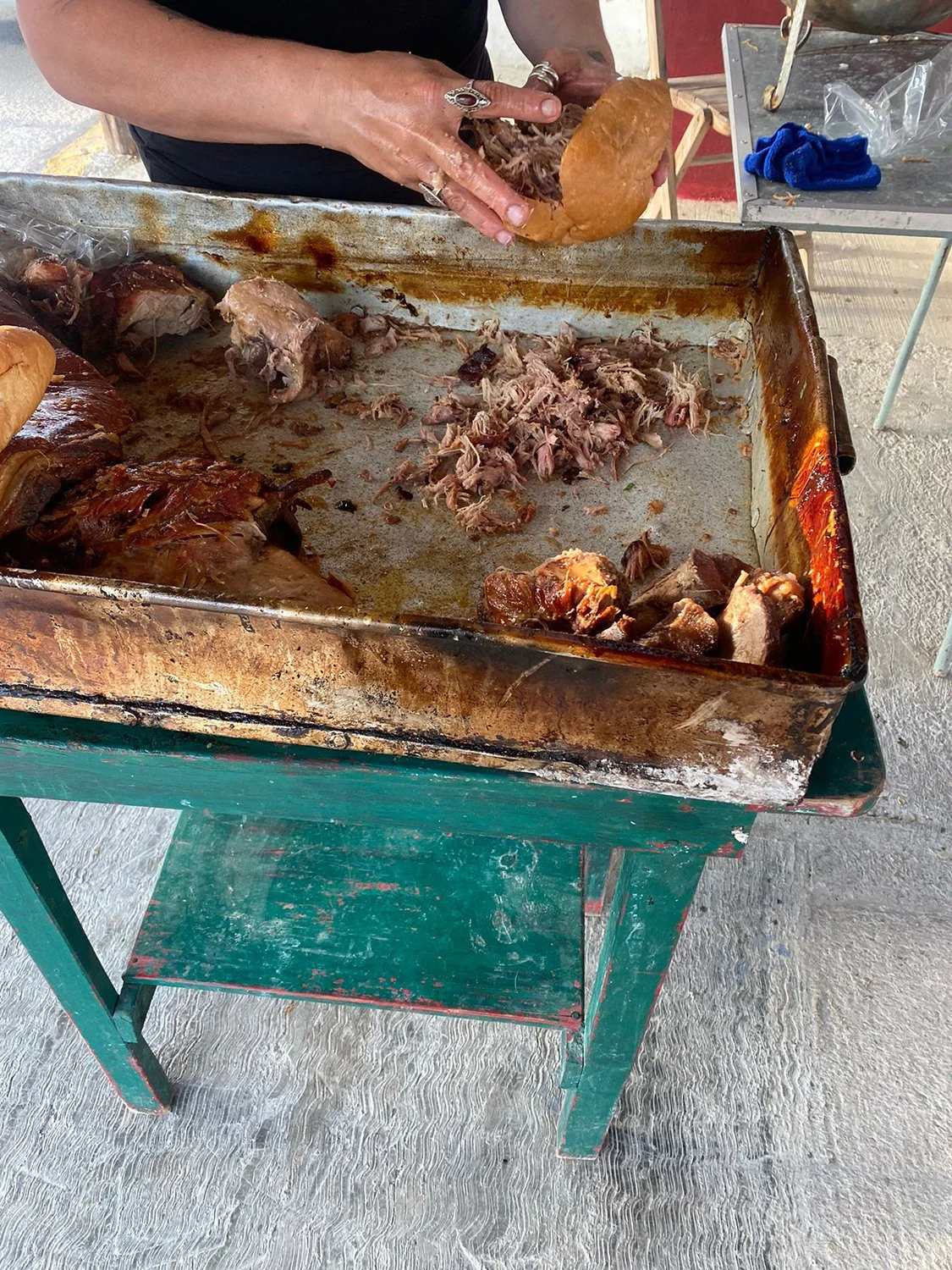
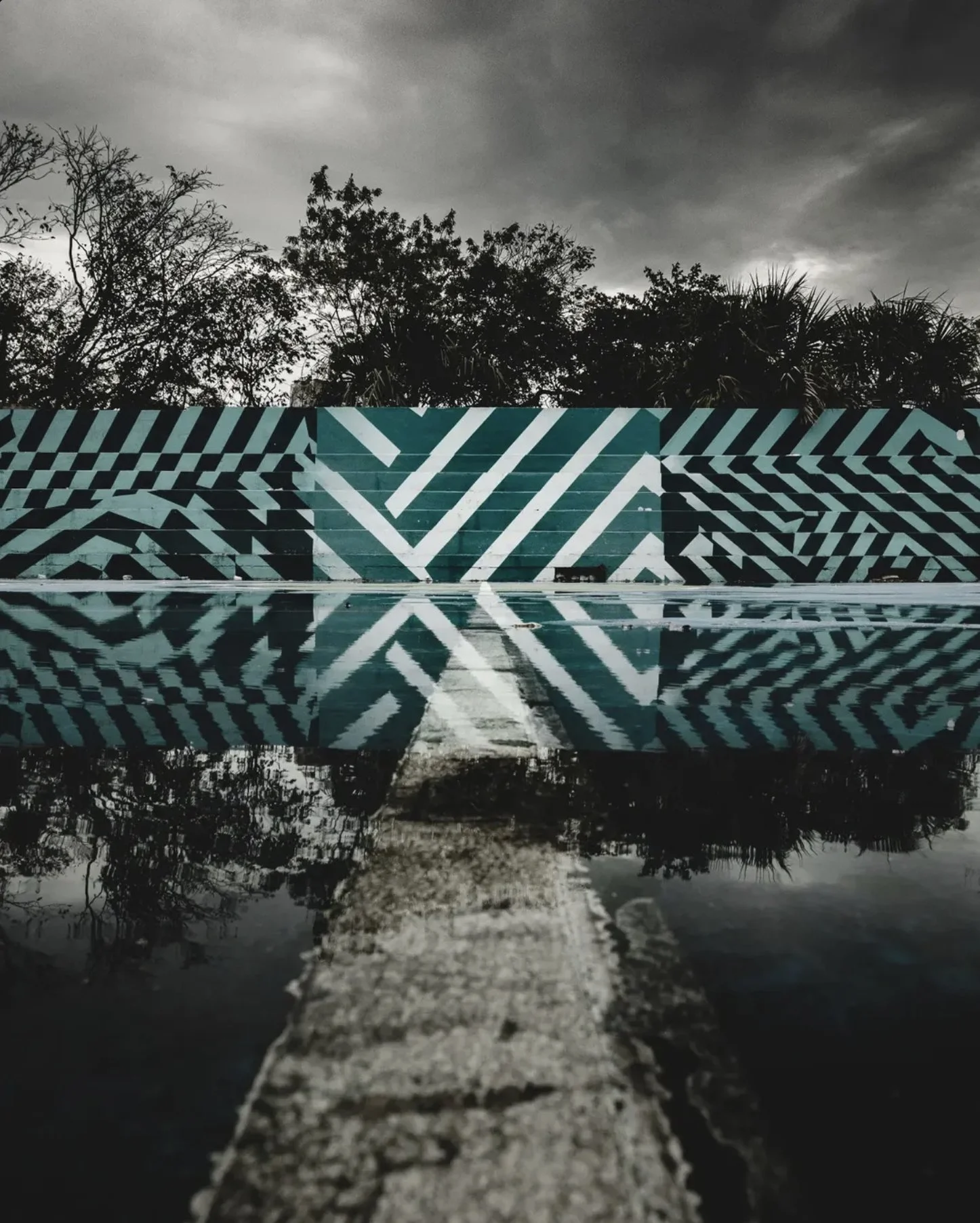
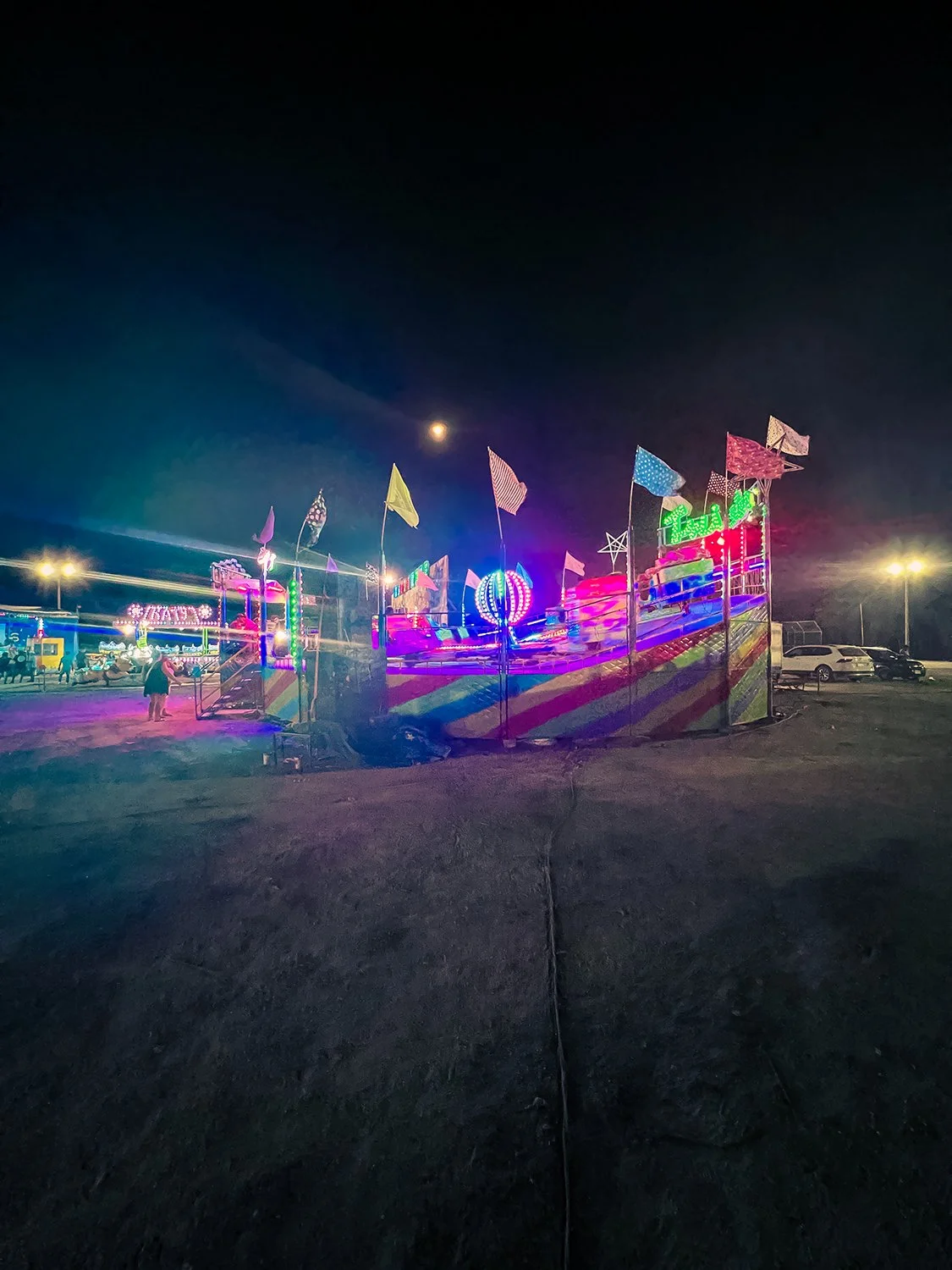
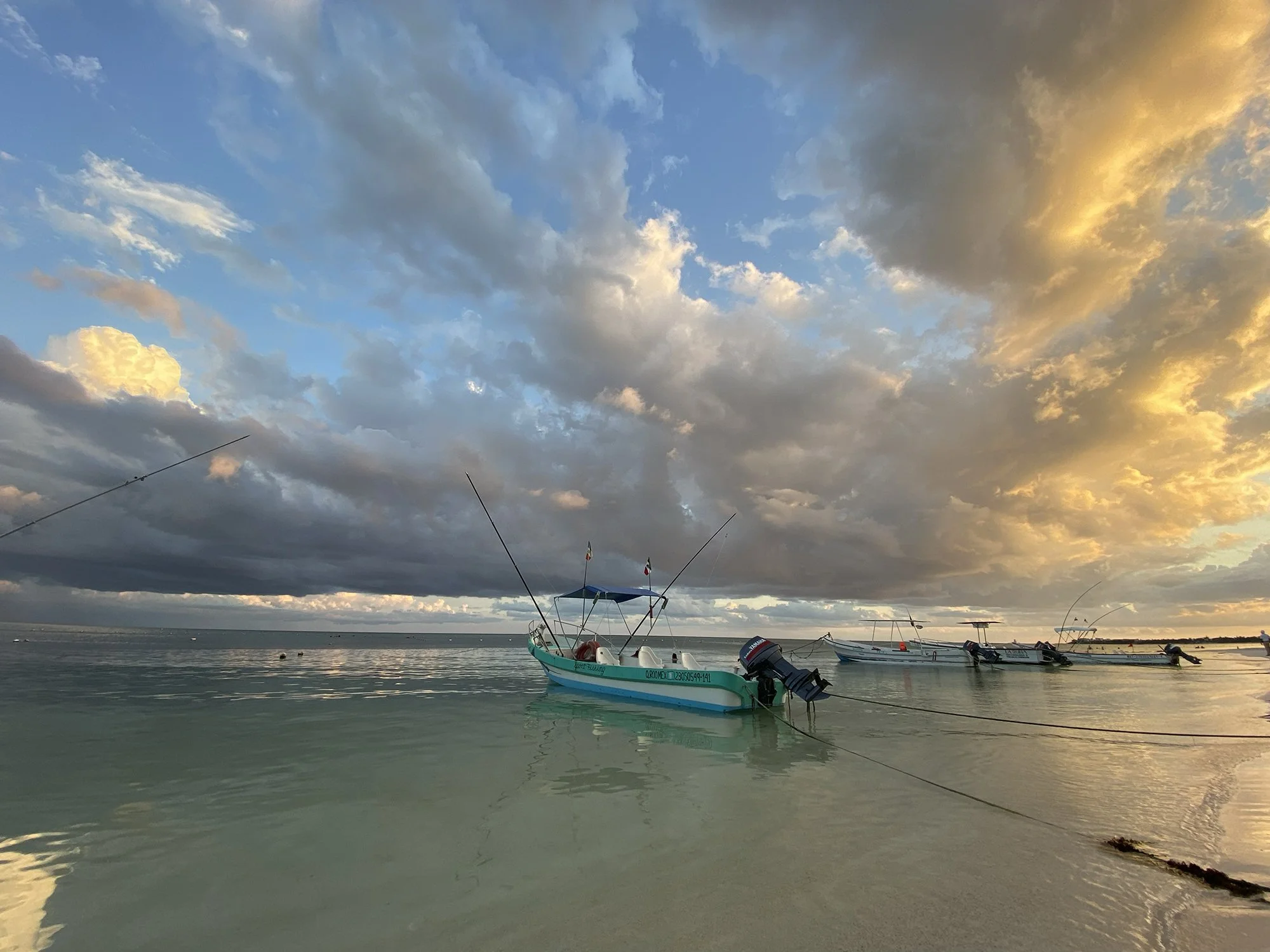
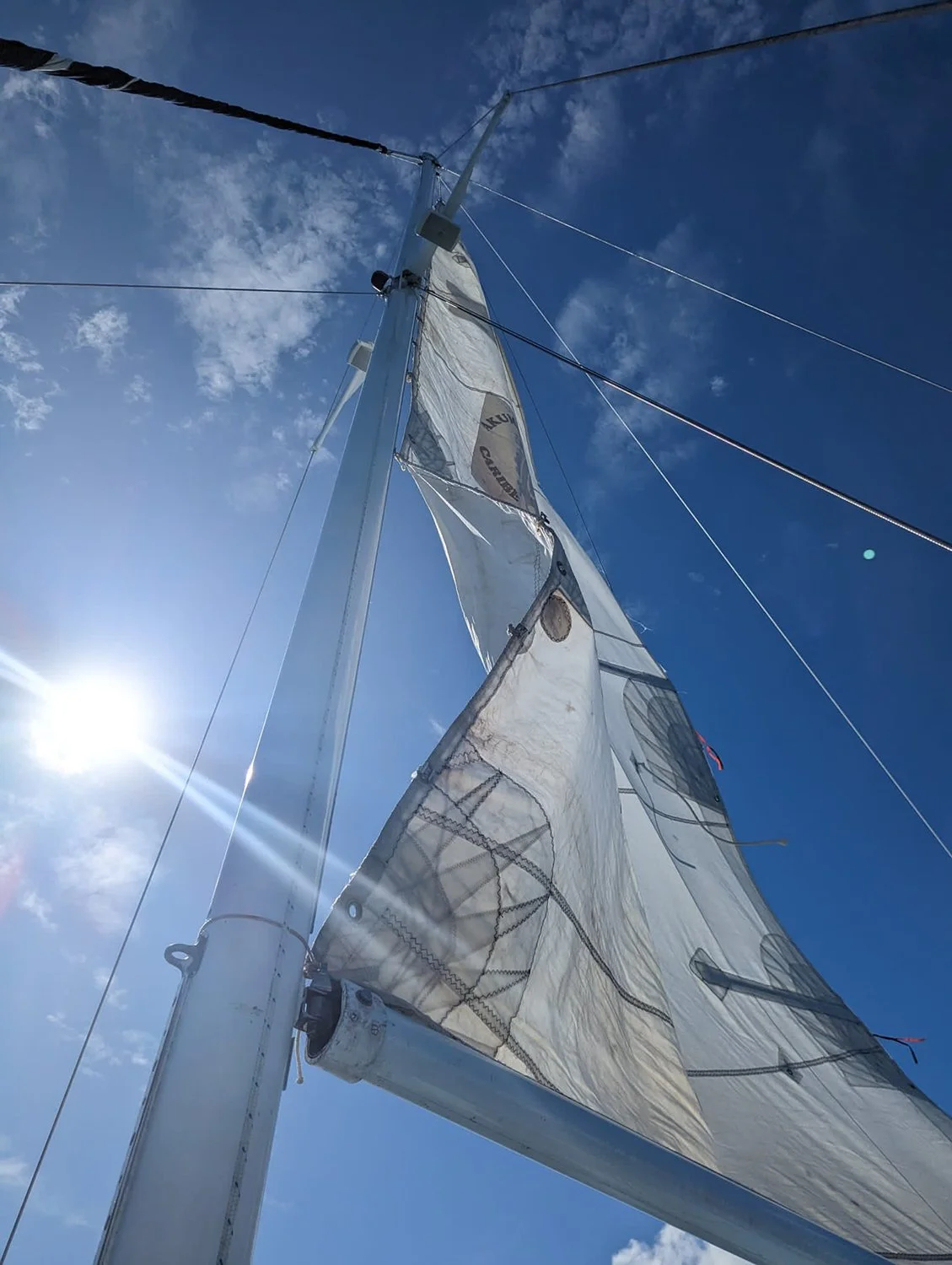
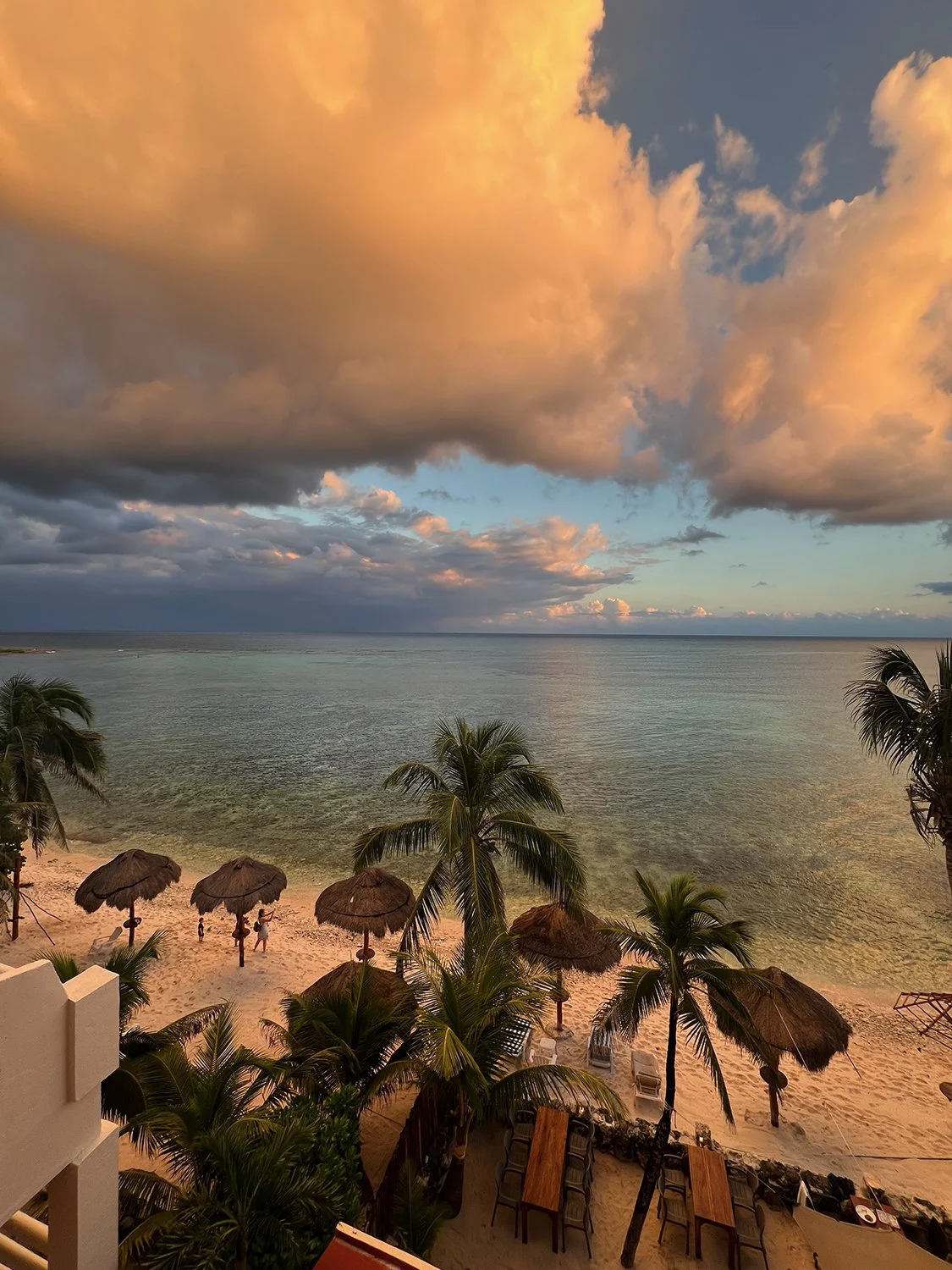
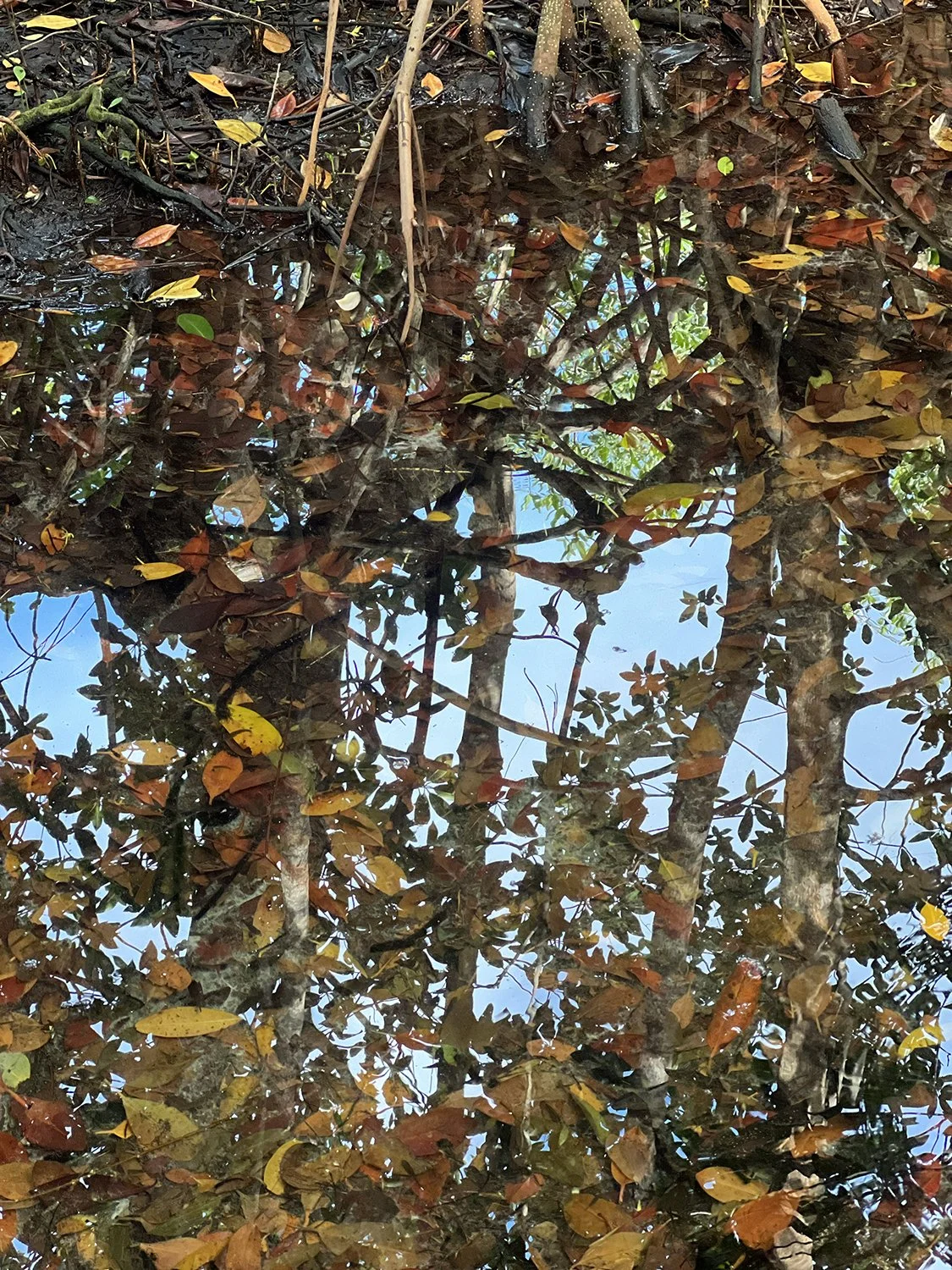
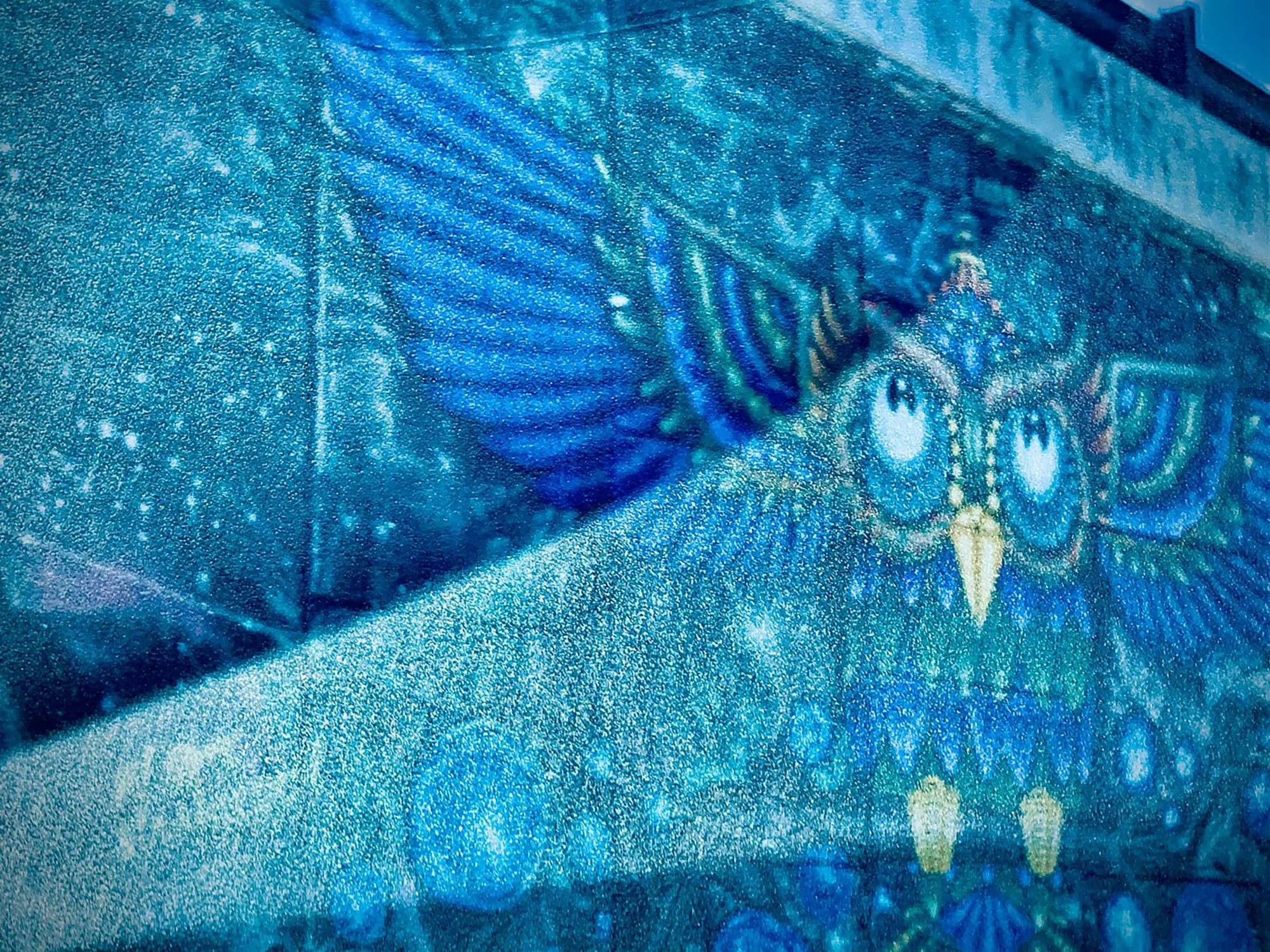
A gallery without walls.
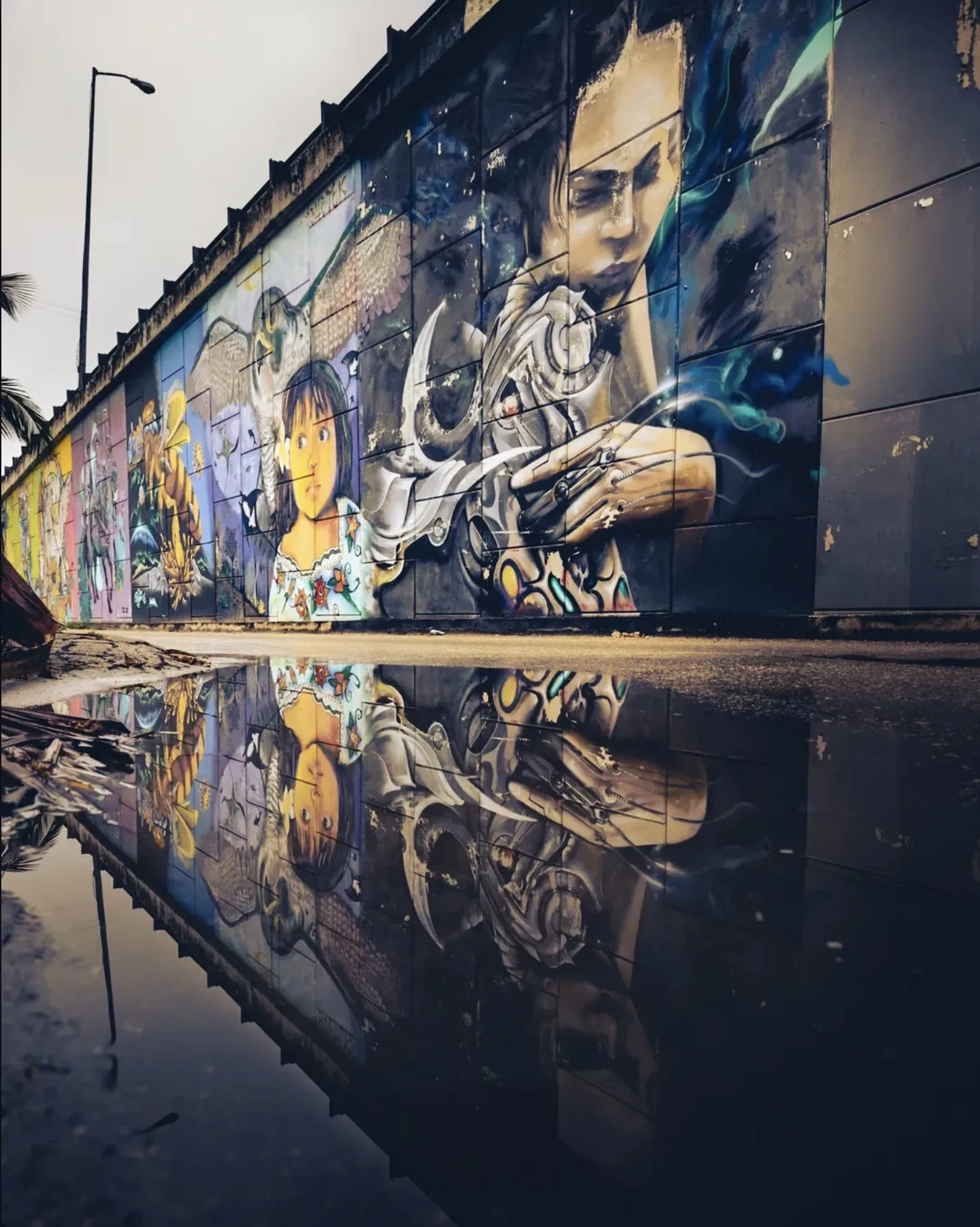
Throughout Akumal Pueblo, murals appear across bridges, storefronts, residences, community buildings, and unexpected architectural surfaces. Individually, they reflect the language of each artist. Collectively, they form a changing portrait of the community.
The Akumal Arts Festival describes art, community, and nature as interconnected. That relationship is visible throughout the pueblo, where recurring images of wildlife, Maya culture, human figures, abstraction, and imagined worlds turn the built environment into a form of public communication.
Closing reflection.
Two living environments — the bay and the pueblo initially appear to offer two different experiences: one natural, the other constructed. Look closer and they begin to mirror one another.
Both are layered environments shaped by movement, adaptation, and collective care. Sea turtles pass quietly through the bay while images travel across the walls of the community. Each leaves a different kind of trace and each reveals how preservation can mean protecting what already exists while creating space for something new.
Cultural Resources
Centro Ecológico Akumal
Centro Ecológico Akumal is a nonprofit organization dedicated to the sustainability and responsible management of Akumal’s coastal ecosystems. Its work includes sea-turtle conservation, reef monitoring, environmental education, and research into the effects of tourism on the bay.
Explore Centro Ecológico Akumal →
Akumal Arts Festival
Founded in 2018, the Akumal Arts Festival brings local and international artists into the pueblo to create murals, lead workshops, perform, and engage with the community. The resulting artwork has transformed walls and shared spaces throughout Akumal into an evolving public archive.
Explore the Akumal Arts Festival →
Akumal Cultural Foundation
The Akumal Cultural Foundation supports creative and community-based initiatives in the pueblo. Through its festival and residency programs, it uses art as a way to strengthen local participation, encourage cultural exchange, and connect creative practice with the life of the community.
Explore the Akumal Cultural Foundation →
Jason Thompson Photography
Thanks to Jason for providing several image photo assets of Akumal Pueblo and mural work.